


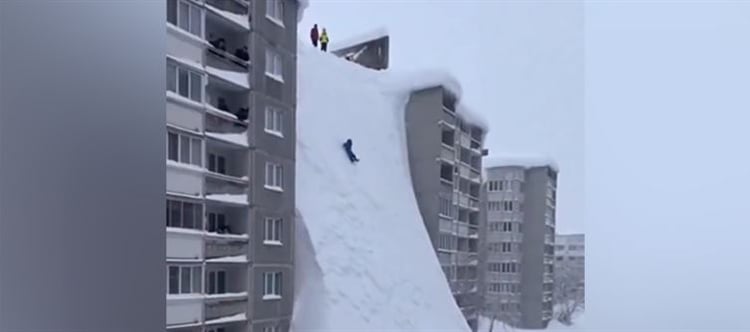

This isn’t winter. This is obliteration by snow. Russia’s remote Far east has been slammed by the heaviest snowfall in 60 years, transforming cities into frozen labyrinths and vehicles into unrecognisable white mounds. On the Kamchatka Peninsula, nature didn’t knock—it arrived with metres of snow and buried everything in sight. What followed looked less like bad weather and more like a slow-motion disaster unfolding in deep freeze.
Snow measured in metres, not centimetres.
Weather monitoring stations report over 2 metres (6.5 feet) of snow in just the first half of January—on top of an already staggering 3.7 metres in December. This isn’t accumulation. This is geological layering.Cars were erased from the map.
Visuals released by Reuters show vehicles almost completely swallowed by snowdrifts, with only mirrors or rooflines hinting they ever existed.Four-wheel drives rendered useless.
SUVs spun helplessly or stood frozen in place, defeated by drifts several metres tall. Power meant nothing against volume.Buildings turned into sealed vaults.
Entrances to apartment blocks vanished. Residents were forced to carve tunnels just to step outside their homes.Streets climbed, not walked.
Videos from Russian media show people walking along snowdrifts at the height of traffic lights, with towering white walls lining roads like frozen barricades.A city buried, not evacuated.
In Petropavlovsk-Kamchatsky, life didn’t stop—it adapted. Locals clambered, climbed, and dug their way through daily routines.Snowdrifts became playgrounds.
In scenes both surreal and darkly comic, residents were seen jumping off massive snowbanks for fun, turning disaster into defiant entertainment.Cars abandoned for months.
“I plan to go on a walk around the city tomorrow,” said local photographer Lydmila Moskvicheva, “though unfortunately the car has been parked in a snowdrift for a month.” In Kamchatka, vehicles are now seasonal.Distance offers no escape.
This frozen crisis is unfolding 6,800 km east of Moscow, underscoring how vast and unforgiving Russia’s geography can be when weather turns hostile.A once-in-a-generation winter event.
Meteorologists say this scale of snowfall hasn’t been seen in six decades—placing this storm firmly in record books and collective memory.
⚔️ THE BOTTOM LINE
Kamchatka hasn’t just been hit by snow—it has been overwritten by it. Roads disappeared, cars vanished, and cities were forced to rise vertically just to survive. In a world used to heatwaves and drought headlines, this frozen catastrophe is a brutal reminder: when nature decides to go extreme, it doesn’t care about calendars, convenience, or civilisation.
❄️ This wasn’t a storm. It was a statement.
 click and follow Indiaherald WhatsApp channel