
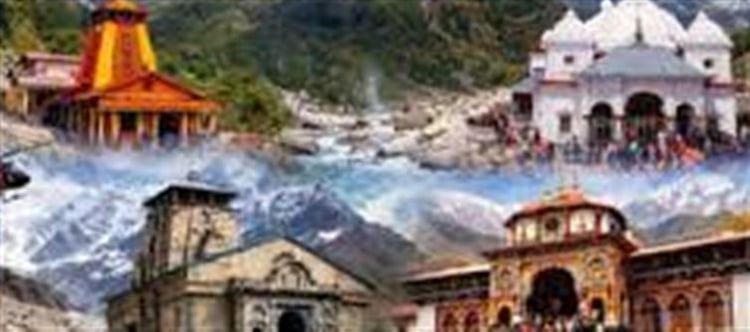


The Char Dham Yatra is one of the most revered pilgrimages in Hinduism, attracting thousands of devotees every year. It involves visiting four sacred shrines located in the indian state of Uttarakhand, each of which is believed to cleanse sins and bring spiritual merit. This guide covers everything you need to know about the Char Dham yatra — its significance, destinations, best time to visit, and travel tips.
1. Significance of Char Dham Yatra
- Spiritual Importance: The pilgrimage is said to purify the soul and help devotees attain moksha (liberation from the cycle of life and death).
- Religious Background: The four temples were established by Adi Shankaracharya in the 8th century to unify the spiritual centers of India.
- Cultural Influence: The yatra not only holds religious value but also preserves the heritage and traditions of Uttarakhand.
2. The Four Sacred Shrines
The term “Char Dham” literally means “four abodes.” The pilgrimage includes:
a. Yamunotri
- Deity: Goddess Yamuna
- Location: Uttarkashi district
- Significance: Source of the yamuna River, considered sacred and purifying.
- Activities: Devotees take a holy dip in the river and offer prayers.
b. Gangotri
- Deity: Goddess Ganga
- Location: Uttarkashi district
- Significance: Origin of the River Ganges, symbolizing purity and spiritual power.
- Activities: Pilgrims perform rituals at Gaumukh, the river’s source.
c. Kedarnath
- Deity: Lord Shiva
- Location: Rudraprayag district
- Significance: One of the twelve Jyotirlingas, considered a powerful abode of Shiva.
- Activities: Trekking to the temple through scenic mountains; devotees perform puja and offerings.
d. Badrinath
- Deity: Lord Vishnu
- Location: Chamoli district
- Significance: Dedicated to Vishnu, it is the most prominent shrine in the Char Dham circuit.
- Activities: Devotees worship the deity and take a holy dip in the Alaknanda River.
3. Best Time to Visit
- The Char Dham yatra is seasonal, typically open from late april to early November.
- Summer months (May to June) are ideal for pleasant weather.
- September to October is also popular after the monsoon for scenic views and lower tourist crowds.
- Winter months are usually avoided due to heavy snowfall and road closures.
4. Route and Travel Tips
Starting Point
- Most yatris start from Haridwar or Rishikesh, which are well-connected by road and rail.
Travel Route
Haridwar/Rishikesh → Yamunotri
Yamunotri → Gangotri
Gangotri → Kedarnath
Kedarnath → badrinath → Return to Rishikesh
Travel Tips
- Physical Fitness: Some temples, like kedarnath and Yamunotri, require trekking.
- Accommodation: Book in advance, especially during peak season.
- Permits: Certain areas may require permits for travel or trekking.
- Local Guides: Hiring a guide helps navigate difficult terrain and ensures safety.
5. Spiritual Practices During Yatra
- Morning Rituals: Early morning prayers and holy dips in rivers.
- Offerings: Flowers, incense, and fruits at each temple.
- Meditation and Reflection: Many pilgrims use the journey for spiritual introspection.
- Charitable Acts: Donating to local communities or temple trusts is encouraged.
6. Important Precautions
- Weather Preparedness: Carry warm clothing and rain gear.
- Health: Stay hydrated and carry basic medicines; altitude sickness can affect some travelers.
- Safety: Stick to marked paths and avoid risky shortcuts.
- Travel Insurance: Consider coverage for emergencies, especially for trekking portions.
7. Alternative Char Dham Options
- Chota Char Dham: Some refer to the smaller uttarakhand circuit (Yamunotri, Gangotri, Kedarnath, Badrinath) as “Chota Char Dham” to distinguish from the original Pancha Dham in India.
- Helicopter Services: Available for kedarnath to reduce trekking effort.
Conclusion
The Char Dham Yatra is more than just a religious journey; it is a spiritual, cultural, and physical experience. Pilgrims gain not only blessings from the deities but also memories of the breathtaking Himalayan landscapes. With careful planning, preparation, and respect for local traditions, this sacred journey can be a life-changing experience for devotees.
Disclaimer:
The views and opinions expressed in this article are those of the author and do not necessarily reflect the official policy or position of any agency, organization, employer, or company. All information provided is for general informational purposes only. While every effort has been made to ensure accuracy, we make no representations or warranties of any kind, express or implied, about the completeness, reliability, or suitability of the information contained herein. Readers are advised to verify facts and seek professional advice where necessary. Any reliance placed on such information is strictly at the reader’s own risk.
 click and follow Indiaherald WhatsApp channel