


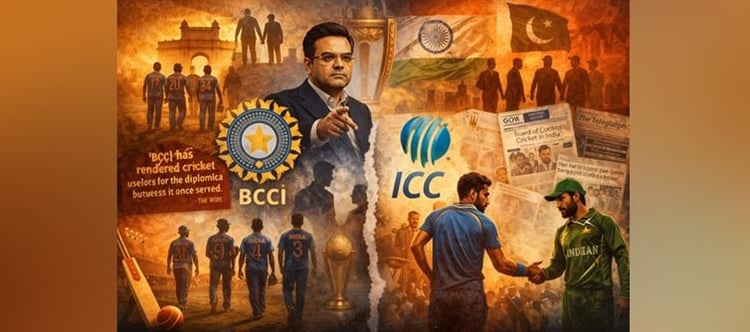

When the Game Fans love Collides With Power and Politics
For millions of Indians, cricket isn’t just a sport. It’s part of daily life, part of childhood memories, part of national pride. That’s exactly why the growing debate around politics and power inside cricket administration is hitting so many fans hard. Because the issue isn’t about hating the country or the team. It’s about loving the game enough to question what’s happening behind the scenes.
In recent years, critics and journalists have increasingly pointed to the enormous influence of the Board of Control for cricket in india (BCCI) in global cricket. When Jay Shah — son of India’s home minister amit shah — moved from bcci Secretary to Chairman of the International cricket Council (ICC), many observers raised questions about potential conflicts of interest.
For them, the concern wasn’t just about one individual. It was about whether the world governing body of cricket could remain independent while one national board holds such overwhelming financial and political power.
1. The Power of the BCCI
There’s no denying the BCCI’s dominance. india generates the majority of global cricket revenue through media rights, sponsorships, and viewership. That economic power inevitably translates into influence over schedules, tournaments, and global decisions. Critics argue this has allowed the bcci to shape the sport’s direction more than any other board in history.
2. The politics of international Fixtures
One of the biggest flashpoints has been India’s refusal to tour pakistan for major tournaments due to political tensions between the two countries. As a result, hybrid hosting models have been introduced in recent ICC events. Supporters say this reflects legitimate security and diplomatic realities. Critics, however, argue that it highlights how geopolitical issues now dictate cricketing decisions.
3. When cricket Stops Being Neutral
The deeper concern many fans express is that cricket — once seen as a bridge between rival nations — risks becoming another arena for political signalling. Historically, India-Pakistan matches carried enormous diplomatic symbolism, with cricket sometimes opening doors that politics kept shut.
For passionate followers of the game, the fear isn’t about any single controversy. It’s about the bigger question: Can cricket remain a sport first, or will it increasingly reflect the power struggles of the world around it?
That debate isn’t going away anytime soon. And for fans who grew up believing cricket was bigger than politics, it’s one of the toughest conversations the sport has ever faced. 🏏
 click and follow Indiaherald WhatsApp channel