


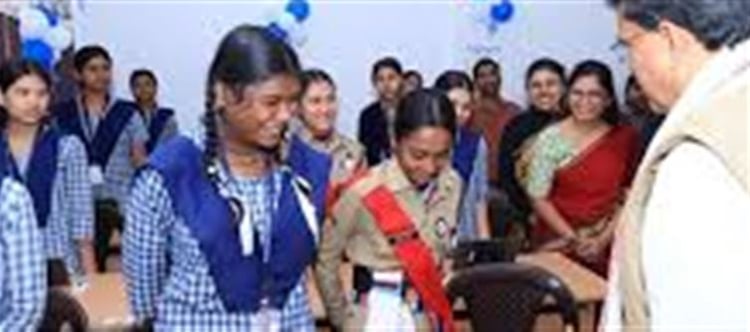

In a transformative move for education in Tripura, the state government has unveiled Personalised Adaptive Learning Labs across 210 schools. The initiative promises to empower students with individualized learning paths powered by cutting-edge AI technology. Here's everything you need to know about this game-changing educational leap.
1. Personalized Learning for Every Student
The new Adaptive Learning Labs use AI technology to offer personalized learning experiences tailored to the strengths, weaknesses, and pace of each student. This means students can learn at their own speed, focusing on subjects and topics that need more attention.
2. 210 Schools Benefit from the Initiative
A total of 210 government schools in Tripura will benefit from this initiative, covering both primary and secondary levels. These labs aim to improve learning outcomes across the state, particularly in remote and underserved areas, where traditional learning resources are often limited.
3. Boosting education ECOSYSTEM' target='_blank' title='digital education-Latest Updates, Photos, Videos are a click away, CLICK NOW'>digital education with Cutting-Edge Tools
The learning labs come equipped with digital tools like tablets, smartboards, and interactive modules. These tools allow students to engage with online lessons, videos, quizzes, and other educational resources, enhancing both learning and retention.
4. AI Helps to Track Progress
AI-powered systems are not just used for content delivery. They also track student progress, identifying areas where learners need extra support. The system adapts the difficulty level and suggests tailored learning modules based on real-time performance.
5. Interactive and Engaging Curriculum
The curriculum inside the labs is designed to be engaging and interactive. It includes gamified learning where students can compete with each other in knowledge challenges. This style of learning is particularly effective for keeping students motivated and excited to learn.
6. Empowering teachers with Data-Driven Insights
Teachers are equipped with real-time data from the adaptive learning systems, which helps them to track individual student performance and adjust teaching strategies. This creates a more efficient and targeted approach to addressing student needs.
7. A Major Step Toward education ECOSYSTEM' target='_blank' title='digital education-Latest Updates, Photos, Videos are a click away, CLICK NOW'>digital education in India
This launch is part of a broader national push for wallet PLATFORM' target='_blank' title='digital-Latest Updates, Photos, Videos are a click away, CLICK NOW'>digital education, where AI-driven platforms and personalized learning tools are becoming mainstream. It aligns with the indian government's efforts to digitize education and make it more accessible and equitable for all students.
8. Building a Stronger Future for Tripura’s Students
With these learning labs, Tripura aims to future-proof its education system, ensuring that students are well-equipped to tackle 21st-century challenges. By embracing digital tools and AI technology, the state is taking an active role in shaping a more innovative and inclusive future for its young minds.
9. Funding and government Support
The state government has invested significant resources into this initiative. The labs are part of the “Smart Schools” initiative, which is funded through state and national education schemes. This ensures that the infrastructure is sustainable and can scale over time.
10. Final Takeaway: A Bright Future for Tripura's education System
Tripura’s launch of Personalised Adaptive Learning Labs in 210 schools marks a significant milestone in educational reform. With AI-powered learning, interactive tools, and a data-driven approach, students in Tripura will have access to some of the most advanced educational technologies available today. The project promises to boost both learning outcomes and student engagement, setting the stage for a stronger, more future-ready generation.
Disclaimer:
The views and opinions expressed in this article are those of the author and do not necessarily reflect the official policy or position of any agency, organization, employer, or company. All information provided is for general informational purposes only. While every effort has been made to ensure accuracy, we make no representations or warranties of any kind, express or implied, about the completeness, reliability, or suitability of the information contained herein. Readers are advised to verify facts and seek professional advice where necessary. Any reliance placed on such information is strictly at the reader’s own risk.
 click and follow Indiaherald WhatsApp channel