


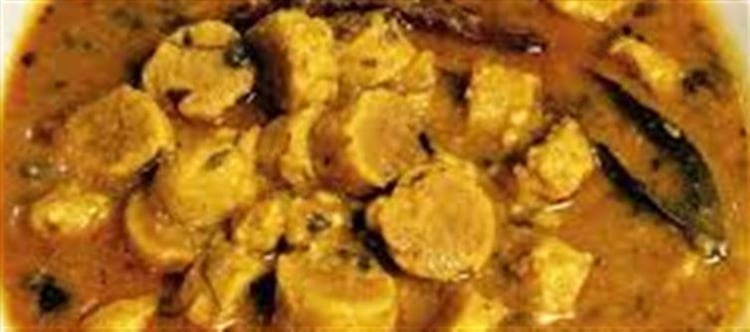

Rajasthan, the land of deserts, forts, and vibrant culture, is also renowned for its robust and flavorful cuisine. Among its many culinary treasures, Gatte Ki Sabzi stands out as a quintessential dish that embodies the essence of Rajasthani home cooking. This hearty and aromatic curry, made from gram flour dumplings simmered in a spicy yogurt-based gravy, offers a perfect balance of taste, nutrition, and tradition.
What is Gatte Ki Sabzi?
Gatte Ki Sabzi is a traditional vegetarian curry from Rajasthan. The term “Gatte” refers to small cylindrical dumplings made from besan (gram flour), which are boiled and then cooked in a tangy, spiced yogurt gravy called “sabzi.” Despite its simple ingredients, this dish boasts layers of flavor that are characteristic of Rajasthani cuisine: spicy, tangy, and slightly creamy.
This dish is traditionally served with roti, chapati, or rice, making it a wholesome and satisfying meal for both daily dining and festive occasions.
Ingredients and Their Significance
For the Gatte:
Gram flour (besan): High in protein, besan forms the base of the dumplings, giving the dish its characteristic texture.
Spices (turmeric, chili powder, carom seeds): Infuse the gatte with warmth and aroma.
Yogurt or water: Helps bind the flour into dough and maintain softness after boiling.
For the Sabzi (Gravy):
Yogurt (curd): Provides a tangy base that complements the mild, nutty flavor of the gatte.
Spices (coriander, cumin, turmeric, red chili, garam masala): Add depth and complexity to the curry.
Ginger, garlic, and onions: Enhance the savoriness of the dish, making it richly flavorful.
Optional tomato puree: adds a subtle sweetness and balance to the tangy yogurt.
The combination of these ingredients reflects the ingenuity of Rajasthani cooks, who historically relied on shelf-stable items like gram flour and dried spices due to the arid climate.
Step-by-Step Preparation
Making the Gatte:
The besan dough is rolled into small cylindrical shapes, boiled until firm, and then sliced into bite-sized pieces.
Preparing the Gravy:
The yogurt is whisked and tempered with spices, onions, and sometimes tomato puree. Care is taken to cook the yogurt gently to avoid curdling.
Combining Gatte and Sabzi:
The boiled gatte pieces are added to the simmering gravy and cooked for a few minutes so that the flavors meld beautifully.
Garnishing:
Fresh coriander leaves, a drizzle of ghee, and sometimes a sprinkle of crushed spices elevate the dish both in flavor and presentation.
Cultural Significance
Gatte Ki Sabzi is more than just food; it is a symbol of Rajasthani resilience and resourcefulness. In a region where fresh vegetables were historically scarce, Rajasthani cooks relied on gram flour, dried legumes, and yogurt to create hearty meals that could withstand the desert climate. Today, Gatte Ki Sabzi is served at weddings, festivals, and special occasions, reflecting the region’s culinary heritage and festive spirit.
Variations Across Rajasthan
Methi Gatte Ki Sabzi: Fenugreek leaves are added to the dough or gravy for an aromatic twist.
Besan Gatte with Tomato Gravy: Tomato puree enhances the tanginess and gives the curry a vibrant color.
Dry Gatte (Sukhi Gatte): In this variation, the dumplings are sautéed with spices instead of being cooked in gravy, offering a spicy side dish alternative.
Health Benefits
Protein-rich: Gram flour provides plant-based protein, making this dish nourishing and filling.
Probiotic content: Yogurt aids digestion and supports gut health.
Spices: turmeric and cumin have anti-inflammatory properties and contribute to overall wellness.
Serving Suggestions
Gatte Ki Sabzi pairs exceptionally well with:
Bajra Roti (Pearl Millet Flatbread): A traditional Rajasthani pairing.
Steamed Rice or Jeera Rice: Allows the flavorful gravy to shine.
Pickles and Papad: Add an extra dimension of crunch and tang to the meal.
Conclusion
Gatte Ki Sabzi is a culinary masterpiece that reflects the heart of Rajasthani cuisine—simple, wholesome ingredients transformed into something extraordinary through technique, spices, and tradition. Whether you are exploring indian cuisine for the first time or seeking a taste of rajasthan at home, this dish promises warmth, flavor, and a slice of cultural heritage in every bite.
Disclaimer:
The views and opinions expressed in this article are those of the author and do not necessarily reflect the official policy or position of any agency, organization, employer, or company. All information provided is for general informational purposes only. While every effort has been made to ensure accuracy, we make no representations or warranties of any kind, express or implied, about the completeness, reliability, or suitability of the information contained herein. Readers are advised to verify facts and seek professional advice where necessary. Any reliance placed on such information is strictly at the reader’s own risk.
 click and follow Indiaherald WhatsApp channel