


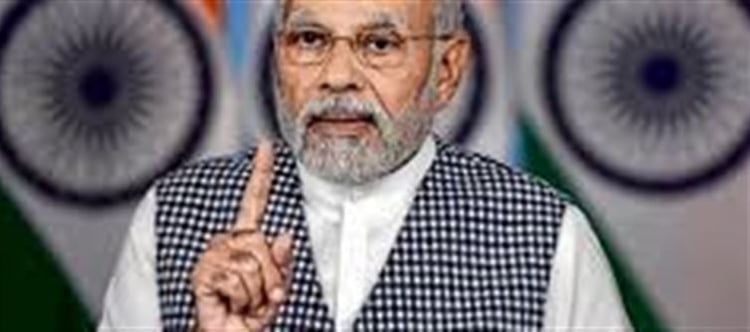

From KYC to OTP, the PM Shares Safety Rules Every Citizen Should Know
Prime minister Narendra Modi, in the 131st edition of his monthly radio programme “Mann Ki Baat,” addressed the nation on digital banking safety and practices — urging citizens to be vigilant and follow secure habits while using online financial services such as bank accounts, UPI payments, pensions, subsidies and insurance.
🧾 1. What Is KYC — And Why It Matters
Modi spoke at length about KYC (Know Your Customer) — the mandatory process used by banks and financial institutions to verify your identity, address and legitimacy. He explained that:
- KYC helps protect your money and personal information.
- If banks repeatedly ask you to update or re‑KYC, it’s not a nuisance — it’s a security step to keep your account safe as more services (pension, subsidy, insurance, UPI) get linked to your bank account.
He also reminded citizens that wallet PLATFORM' target='_blank' title='digital-Latest Updates, Photos, Videos are a click away, CLICK NOW'>digital fraudsters often pretend to be officials asking for sensitive info — so KYC or re‑KYC should be carried out only through official bank branches, authorised apps or sanctioned channels.
🛡 2. Don’t Share OTPs or Sensitive Details
One of the strongest safety messages from the prime minister was:
“Do not share your OTP, Aadhaar number, or bank account details with anyone.”
He made it clear that OTP is meant only for you, and sharing it — even if someone claims to be a bank official — can compromise your account and lead to fraud.
🔑 3. Passwords — Change Them Regularly
Modi stressed the importance of strong, frequently updated passwords for your banking apps and accounts. He even suggested forming a rule like changing passwords periodically, just as we adjust food and clothing with the seasons to stay safe.
This helps ensure that even if someone tries to guess, use old credentials, or hack your account, they are far less likely to succeed.
📲 4. Be Alert Against Cyber Fraud and Scams
The prime minister warned that digital fraud is still a growing concern. Scammers often use:
- Fake calls claiming legal action or “digital arrest”
- Fraudulent links that appear to come from banks
- Impersonation attempts to collect sensitive information
He urged people to stay vigilant, not respond to suspicious calls or messages, and always verify requests before reacting.
📌 5. What Happens When You Complete KYC
Modi pointed out that completing timely KYC or re‑KYC:
- Keeps your bank account active and secure
- Prevents fraud and unauthorised access
- Helps the banking system keep track of the correct holder of the account
- Supports financial inclusion by linking welfare schemes securely to citizens’ accounts
He linked secure wallet PLATFORM' target='_blank' title='digital-Latest Updates, Photos, Videos are a click away, CLICK NOW'>digital practices to the broader vision of a self‑reliant and digitally secure India — saying that “secure citizens build a stronger India.”
🧠 Key Takeaways from PM Modi’s wallet PLATFORM' target='_blank' title='digital-Latest Updates, Photos, Videos are a click away, CLICK NOW'>digital banking Tips
✔ Complete KYC and re‑KYC through official bank channels only
✔ Never share OTP or sensitive banking information with anyone
✔ Update passwords regularly to prevent unauthorised access
✔ Stay alert against calls, SMS or links that seem suspicious
✔ Safe wallet PLATFORM' target='_blank' title='digital-Latest Updates, Photos, Videos are a click away, CLICK NOW'>digital habits protect your money and contribute to a stronger economy
Disclaimer:
The views and opinions expressed in this article are those of the author and do not necessarily reflect the official policy or position of any agency, organization, employer, or company. All information provided is for general informational purposes only. While every effort has been made to ensure accuracy, we make no representations or warranties of any kind, express or implied, about the completeness, reliability, or suitability of the information contained herein. Readers are advised to verify facts and seek professional advice where necessary. Any reliance placed on such information is strictly at the reader’s own risk.
 click and follow Indiaherald WhatsApp channel