


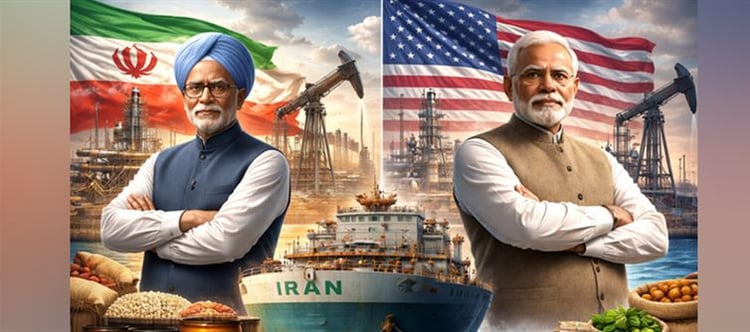

It wasn’t just oil—it was leverage, strategy, and economics rolled into one. For years, india had access to a deal that many countries would envy: discounted crude, flexible payments, and a built-in trade loop. And then, almost overnight, it was gone. What followed wasn’t just a policy shift—it sparked a debate that still refuses to die.
📌 THE STORY — BROKEN DOWN
Until 2019, India’s oil relationship with iran offered clear advantages.
The arrangement reportedly included around a 12% discount, a one-month credit window, no shipping costs, and a unique payment mechanism in indian rupees. It wasn’t just about cheaper oil—it also supported indian exports, creating a mutually beneficial trade cycle.
Then came the shift.
With the united states tightening sanctions on iran during the trump administration, india halted its oil imports from Tehran. The move aligned with global pressure—but it also meant giving up a cost-effective supply line.
And that’s where the comparison begins.
Back in 2009, during a previous round of U.S. sanctions, india had continued importing Iranian oil under then prime minister Manmohan Singh. Despite international pressure, the government maintained the relationship, balancing diplomacy with domestic energy needs.
Two different moments. Two different responses.
Supporters of the latter decision argue it was a necessary geopolitical adjustment—maintaining strategic ties and avoiding potential fallout. Critics, however, see it differently. For them, it raises questions about economic priorities, negotiating power, and whether india gave up more than it had to.
⚡ THE BIGGER QUESTION
At its core, this isn’t just about oil.
It’s about how a country navigates global pressure while protecting its own interests. About when to comply—and when to push back.
Because in international politics, every decision sends a message.
And sometimes, the real debate isn’t what was done, but what could have been done differently.
 click and follow Indiaherald WhatsApp channel