


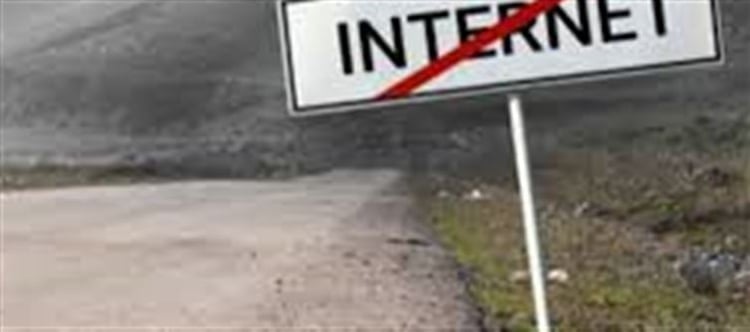

Despite huge growth in global connectivity — with reports estimating over 6 billion people online worldwide — the reality on the ground is that many individuals and communities still lack meaningful internet access. This means they can’t reliably use google, social media platforms, or most web‑based services that many of us take for granted.
🌍 1. The wallet PLATFORM' target='_blank' title='digital-Latest Updates, Photos, Videos are a click away, CLICK NOW'>digital Divide Is Still Huge
Even in 2026, major wallet PLATFORM' target='_blank' title='digital-Latest Updates, Photos, Videos are a click away, CLICK NOW'>digital divides remain between countries, regions, rural vs. urban areas, and different income levels:
- According to global connectivity data, internet usage is near “super‑majority” levels worldwide, but that means many people — still billions — are offline or underserved.
- A recent study by the Union Communications minister of india highlighted that around 3.1 billion people globally remain unconnected, mainly due to handset affordability issues.
- In rural areas like some valleys in Santa Barbara County (USA), even planned broadband expansions still leave spotty or unreliable coverage, showing that coverage gaps aren’t limited to developing nations.
Why this matters: If people don’t have access to reliable broadband or mobile data, they often can’t load google search, social media platforms, or modern apps — even if some network signal is technically present.
📡 2. What Does “No Internet” Really Mean?
Saying someone doesn’t have the internet doesn’t always mean “no connection at all.” It could mean:
- Only basic or low‑speed connectivity that can’t load modern applications
- A network so expensive that people can’t afford data plans
- Limited bandwidth that makes heavy sites like social platforms unusable
- Connectivity that exists in infrastructure but isn’t available to users due to cost or policy
This is part of the broader digital divide — the gap between technology haves and have‑nots at national, regional, and community levels.
🏘️ 3. Rural & Remote Areas Often Lack Full Access
Large swaths of rural populations — from mountainous regions to small villages — still suffer from poor or no internet access because:
- Infrastructure like fiber‑optic cables and mobile broadband simply hasn’t reached them
- There’s low financial incentive for companies to build networks in sparsely populated or hard‑to‑reach areas
- Electricity, affordable handsets, and local wallet PLATFORM' target='_blank' title='digital-Latest Updates, Photos, Videos are a click away, CLICK NOW'>digital literacy may be low, making even basic connectivity useless
For many communities, even basic features like google search or a facebook app becoming responsive is a big step — and social media use is far from universal.
📴 4. Consequences of Being Offline or Under‑Connected
When major portions of populations lack full internet access:
❌ People can’t:
- Use modern search engines like google reliably
- Access social media platforms daily
- Participate fully in wallet PLATFORM' target='_blank' title='digital-Latest Updates, Photos, Videos are a click away, CLICK NOW'>digital economies or remote education
- Use cloud‑based apps for health, banking, or communication
📉 Governments and experts worry that this deep wallet PLATFORM' target='_blank' title='digital-Latest Updates, Photos, Videos are a click away, CLICK NOW'>digital divide reinforces inequality — socially, economically, and educationally. Those with stable broadband get jobs, news, and services; those without can be left even further behind.
📌 5. What’s Being Done — and What Still Falls Short
Many countries are making strides:
- Massive rural broadband programs aim to connect villages and towns
- Satellite internet services (like LEO constellations) promise wider coverage
- Policy initiatives try to subsidize connectivity and devices
But despite this progress, telecom infrastructure, affordability, and service quality gaps still persist — especially in regions with limited resources or challenging geography.
🧠 In Summary
Factor
Reality in 2026
Global internet coverage
Billions online, but billions still offline or underserved
Access in rural areas
Expanding but still spotty; infrastructure gaps persist
Affordability and devices
Major barrier for millions, especially in developing regions
Use of services like google and social platforms
Not universal — for many, basic connectivity isn’t enough
💡 Key takeaway: While the internet ecosystem (including google, social media, and wallet PLATFORM' target='_blank' title='digital-Latest Updates, Photos, Videos are a click away, CLICK NOW'>digital apps) is globally massive, meaningful access still hasn’t reached everyone — particularly in rural, low‑income, and remote regions. Closing this “digital divide” remains a major challenge of the 2020s.
Disclaimer:
The views and opinions expressed in this article are those of the author and do not necessarily reflect the official policy or position of any agency, organization, employer, or company. All information provided is for general informational purposes only. While every effort has been made to ensure accuracy, we make no representations or warranties of any kind, express or implied, about the completeness, reliability, or suitability of the information contained herein. Readers are advised to verify facts and seek professional advice where necessary. Any reliance placed on such information is strictly at the reader’s own risk.
 click and follow Indiaherald WhatsApp channel