


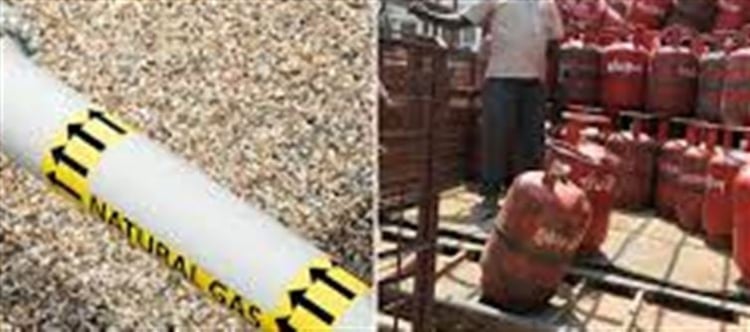

Cooking gas is a household staple, and how it’s supplied — cylinders (LPG) or pipelines (PNG) — makes a big difference in cost, safety, and daily use. Both fuels serve the same purpose, but they vary in delivery, performance and overall experience.
🔥 1. What Are PNG and LPG?
LPG (Liquefied Petroleum Gas)
- Stored in cylinders delivered to your home.
- A fuel mix of propane and butane under high pressure.
- Widely used across urban and rural areas.
PNG (Piped Natural Gas)
- Delivered directly through underground pipelines straight to your kitchen.
- Composed mostly of methane and supplied at low pressure.
- Available in select cities and housing societies with pipeline infrastructure.
🛡️ 2. Safety: Which Is Better?
✔ PNG — Generally Safer
- Lighter than air: Methane disperses quickly in case of a leak, reducing accumulation.
- Low pressure supply: Less risk of sudden leaks or explosions in the kitchen.
- No cylinder handling: Eliminates risks from heavy, high‑pressure cylinders stored indoors.
⚠ LPG — Safe When Used Correctly
- LPG is heavier than air, so leaking gas can settle and increase fire risk if undetected.
- Cylinders and regulators are under high pressure, requiring strict handling and safety checks.
- Many households use LPG safely, but incorrect storage or cylinder handling increases risk.
Verdict: PNG holds a slight safety edge because it’s piped at low pressure and disperses more easily on leakage.
💰 3. Cost Comparison: Which Is Cheaper?
🔹 Running Costs
- PNG is usually cheaper per unit of energy because you pay for actual consumption, similar to electricity billing.
- LPG prices are influenced by international crude oil markets and subsidies, which can make them more volatile.
⚠ Initial Setup
- PNG requires payment for connection, meter and installation — potentially higher upfront cost.
- LPG has lower initial cost: just cylinder deposit and regulator.
Verdict: Over time, PNG is often more economical, especially if you cook frequently and avoid regular cylinder deliveries.
🧑🍳 4. Convenience & Daily Use
✔ PNG Benefits
- 24/7 continuous supply: No need to book or replace cylinders, eliminating run‑out situations mid‑cooking.
- Metered billing: Transparent billing based on exact use; typically monthly or bi‑monthly.
- App access: Modern PNG systems often let you track usage, book services or report issues digitally.
✔ LPG Benefits
- Widespread availability: Works everywhere — even where pipelines don’t reach.
- Portable: Cylinders can be taken to remote sites or used in outdoor cooking.
Verdict: PNG wins for convenience in connected areas, but LPG remains practical in non‑pipeline or rural regions.
🍳 5. Cooking Performance & Practical Differences
- Flame & heat: LPG tends to have a higher heat output, which some users prefer for fast cooking and certain indian dishes.
- Adaptation: Most LPG stoves need jet/nozzle conversion to use PNG safely.
- Availability dependency: PNG can only be used where pipelines exist; LPG cylinders can be used anywhere.
📍 6. Infrastructure & Policy Trends (India‑specific)
- Government policies are increasingly encouraging PNG adoption where available, sometimes restricting LPG supply in areas with piped gas networks.
- PNG infrastructure is expanding in many cities, but LPG still dominates nationwide due to wider reach and distribution networks.
📊 Quick Comparison Table
Feature
LPG
PNG
Supply Method
Cylinder deliveries
Piped direct supply
Safety
Safe but needs careful handling
Generally safer (low pressure, lighter gas)
Running Cost
Higher, variable
Typically lower, metered
Convenience
Cylinder refill required
24/7 uninterrupted supply
Availability
Nationwide
Limited to pipeline coverage areas
Initial Cost
Low
Higher setup cost
🧠 Final Takeaway
✔ If safety, convenience and long‑term cost savings are your priorities and PNG is available in your location, PNG is often the smarter choice.
✔ If you live in an area not yet covered by PNG infrastructure, need portable fuel or have low usage, LPG remains a reliable option.
Both fuels are widely used and safe when installed and handled correctly — your best choice depends on availability, cooking needs, cost considerations and infrastructure.
. Disclaimer:
The views and opinions expressed in this article are those of the author and do not necessarily reflect the official policy or position of any agency, organization, employer, or company. All information provided is for general informational purposes only. While every effort has been made to ensure accuracy, we make no representations or warranties of any kind, express or implied, about the completeness, reliability, or suitability of the information contained herein. Readers are advised to verify facts and seek professional advice where necessary. Any reliance placed on such information is strictly at the reader’s own risk.
 click and follow Indiaherald WhatsApp channel