


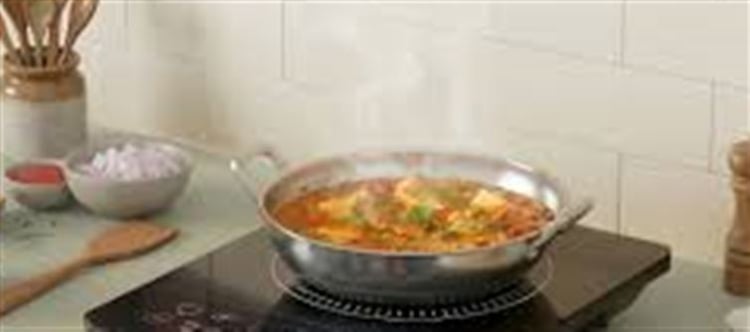

Amid rising concerns over LPG shortages and increasing fuel costs, the government is actively encouraging a shift toward electric cooking solutions such as induction cooktops.
Introduction of Induction Cooktops
- The government is planning to introduce around 500,000 (5 lakh) induction cooktops for the general public.
- This initiative is part of a broader strategy to:
- Reduce dependence on LPG imports
- Promote energy-efficient cooking
- Support households during fuel supply disruptions
Reason Behind the Move
- Recent global developments have led to shortages of LPG cylinders in several parts of India.
- As a result:
- Demand for alternative cooking methods has increased
- Induction cooktops are becoming a practical substitute
Subsidies and Incentives
- The government is considering:
- Financial assistance or subsidies for purchasing induction cooktops
- Bulk procurement models to reduce costs
- Some state governments (like tamil Nadu) have already:
- Offered electricity subsidies to encourage switching from LPG to induction cooking
Benefits of Induction Cooking
- Higher efficiency: Around 90% energy efficiency compared to LPG
- Cost savings: Lower monthly cooking expenses in many cases
- Cleaner energy: Reduces indoor air pollution
- Safety: No open flame, lower fire risk
Challenges to Implementation
- Initial cost of purchasing the cooktop and compatible utensils
- Increased electricity consumption
- Dependence on stable power supply, especially in rural areas
Long-Term Impact
- This move is part of a larger national push toward “electric kitchens” and reduced fossil fuel dependency.
- If implemented successfully, it could:
- Cut LPG imports
- Improve energy security
- Promote sustainable living
Conclusion (Updated)
The introduction of 500,000 induction cooktops reflects a significant shift in India’s energy and household policies. Along with changes in PAN, credit cards, and LPG pricing, this initiative highlights the government’s broader effort to modernize financial systems and promote efficient, sustainable alternatives for everyday living.
Disclaimer:
The views and opinions expressed in this article are those of the author and do not necessarily reflect the official policy or position of any agency, organization, employer, or company. All information provided is for general informational purposes only. While every effort has been made to ensure accuracy, we make no representations or warranties of any kind, express or implied, about the completeness, reliability, or suitability of the information contained herein. Readers are advised to verify facts and seek professional advice where necessary. Any reliance placed on such information is strictly at the reader’s own risk.
 click and follow Indiaherald WhatsApp channel