


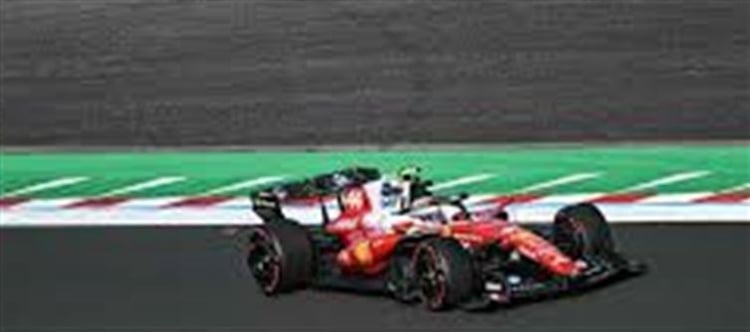

Context: Why the Change?
The FIA's decision to alter energy management rules comes as teams and drivers were facing challenges in maximizing performance during qualifying. In Formula 1, energy management is crucial, and the rules typically govern how drivers use and manage their car’s energy, including power units and hybrid systems. These rules can significantly impact lap times and overall performance, especially during qualifying, where every millisecond counts.
Key Rule Changes
- Energy Limit Adjustments: The FIA announced adjustments to the maximum amount of energy drivers could deploy during qualifying. The change affects how drivers can distribute power between the internal combustion engine (ICE) and the hybrid systems (like the energy recovery systems, or ERS).
- Strategic Shifts: Teams may need to alter their qualifying strategies, as the energy available for a full lap is now more constrained, forcing teams to adapt their power unit settings. This impacts how aggressive or conservative a team can be when pushing for a fast lap.
Impact on Qualifying at the Japanese Grand Prix
The adjustments come ahead of qualifying for the Japanese Grand Prix, a race known for its challenging and technical circuit. With the revised energy management rules, drivers must now be more precise in their energy deployment, particularly in the high-speed corners and the long straights at Suzuka. The circuit's demanding nature means every lap could be affected by how effectively drivers manage their hybrid energy.
Possible Consequences
- Driver Strategy: drivers will need to carefully balance their power output and battery use during qualifying. This might mean fewer laps with full power or more cautious approaches during different segments of the track.
- Team Performance: Teams with a better understanding of energy management systems may have an advantage. Those with more efficient hybrid setups or better strategies in deploying energy during qualifying could secure better grid positions.
Why Was the Change Implemented So Close to Qualifying?
The FIA likely made the decision after observing issues during previous sessions where the energy management rules were creating an imbalance in performance, especially in qualifying. In some instances, teams were struggling to extract maximum performance from their cars, so the FIA stepped in with a regulation change to ensure fairness and maintain the competitiveness of the sport.
The Bigger Picture: Potential for Future Adjustments
While the Japan qualifying rules are the most immediate, the FIA could make further revisions to energy management rules in future races. As the hybrid era of F1 continues to evolve, energy management is expected to play a bigger role, with both strategic and technical adjustments possibly becoming more frequent.
Disclaimer:
The views and opinions expressed in this article are those of the author and do not necessarily reflect the official policy or position of any agency, organization, employer, or company. All information provided is for general informational purposes only. While every effort has been made to ensure accuracy, we make no representations or warranties of any kind, express or implied, about the completeness, reliability, or suitability of the information contained herein. Readers are advised to verify facts and seek professional advice where necessary. Any reliance placed on such information is strictly at the reader’s own risk.
 click and follow Indiaherald WhatsApp channel