
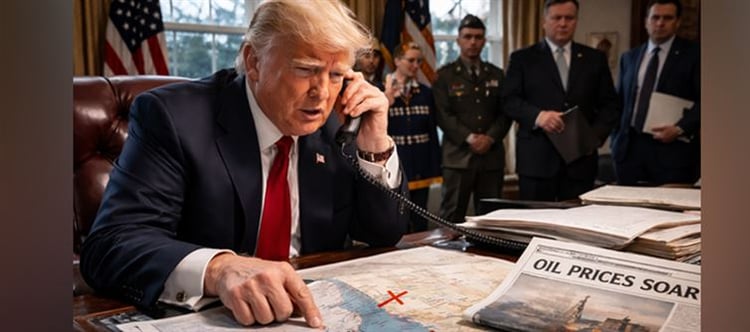


“Oil, Power, and Pressure” — Is the Strait of Hormuz Becoming the World’s Most Dangerous Bargaining Chip?
In global politics, leverage doesn’t always come from weapons—it often comes from what the world can’t live without. Right now, that leverage looks a lot like oil flowing—or not flowing—through the Strait of Hormuz. As tensions rise, so does the pressure on leaders trying to balance economic stability with geopolitical strategy.
A Tense Balancing Act
Recent remarks from donald trump reflect a growing frustration over the situation. The expectation was clear: stabilize the region, keep oil moving, and prevent price shocks. But reality has proved far messier. Any escalation risks are pushing oil prices even higher, with ripple effects across the global economy.
Why Hormuz Matters So Much
The Strait of Hormuz isn’t just another shipping lane—it’s one of the world’s most critical energy chokepoints. A significant portion of the global oil supply passes through it daily. Disruptions here don’t stay local; they echo through fuel prices, inflation, and economic stability worldwide.
Limits of Military Options
There’s also a strategic ceiling to how far things can go. Large-scale ground intervention isn’t a simple option—it carries enormous risks and costs. Even sustained air operations can strain resources and unsettle markets. That reality shapes decision-making more than public rhetoric might suggest.
Leverage Through Disruption
From Iran’s perspective, restricting flow through Hormuz creates bargaining power. It turns geography into influence. By tightening the flow, they increase pressure on negotiations, potentially seeking broader concessions tied to regional dynamics.
A Wider Negotiation Web
What makes the situation more complex is how interconnected it has become. Regional considerations—from neighboring states to ongoing diplomatic efforts—are increasingly tied into the same conversation. Nothing operates in isolation anymore.
Bottom Line
This isn’t just about oil. It’s about control, timing, and leverage in a high-stakes geopolitical chess game. And as long as Hormuz remains under pressure, the world isn’t just watching—it’s feeling the impact in real time.
 click and follow Indiaherald WhatsApp channel