


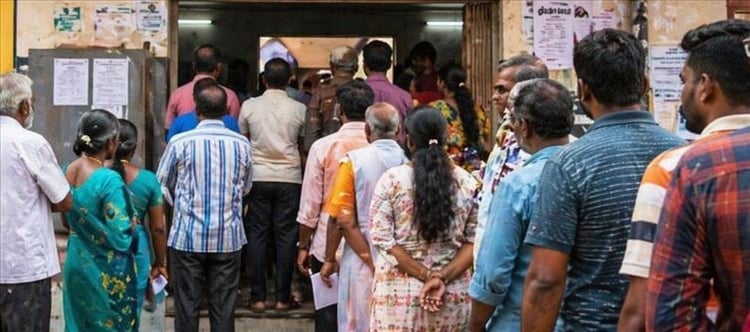

⚡ The Numbers That Change the Narrative
Let’s rewind to 2021. tamil Nadu had roughly 5.99 crore registered voters, and about 4.588 crore people voted, resulting in a 76.6% turnout. Straightforward.
Now fast forward to 2026. The total number of registered voters has actually reduced to about 5.67 crore. That’s where things get interesting.
Because if the same number of people vote — around 4.588 crore — the turnout doesn’t stay the same. It automatically jumps to nearly 81%.
No wave. No surge. Just a smaller denominator.
Now add another layer: around 14 lakh new voters have been added. Factor in increased participation from them, and the turnout easily climbs toward 83% or more.
And there’s more.
Electoral roll clean-ups — removing duplicate or incorrect entries — further shrink the base. Which means the percentage naturally rises even if the absolute number of voters hasn’t dramatically changed.
⚡ So What Does 85% Really Mean?
It might look extraordinary on the surface. It might fuel narratives, predictions, and political spin.
But in reality?
It’s not unusual anymore.
High turnout in this context is less about a sudden political shift and more about how the voter base has been recalibrated.
⚡ The Bigger Takeaway
Turnout percentages don’t exist in isolation. Without context, they can mislead more than they inform.
Because sometimes, what looks like a massive trend…
…is just simple math doing its job.
 click and follow Indiaherald WhatsApp channel