


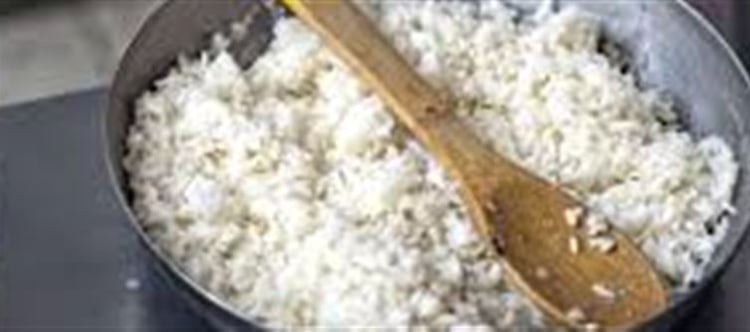

Rice is a staple food in many households, but did you know that improperly stored or reheated rice can cause serious food poisoning? This is mainly due to a bacteria called Bacillus cereus, which can survive cooking and multiply if rice is left at room temperature.
🧬 Why Reheated Rice Can Be Risky
When rice is cooked:
- Heat kills most bacteria, but Bacillus cereus spores can survive.
- If rice is left out at room temperature, these spores can germinate and produce toxins.
- Reheating the rice may kill the bacteria, but it does not destroy the toxins, which can cause food poisoning.
Even a small amount of contaminated rice can lead to nausea, vomiting, and diarrhea.
⚠️ Symptoms of Rice-Related Food Poisoning
Symptoms usually appear within 1–5 hours after consuming contaminated rice:
- Nausea and vomiting
- Abdominal cramps
- Diarrhea
- Occasionally, mild fever
Most cases are short-lived (24 hours), but severe dehydration can occur, especially in children, elderly, and people with weakened immunity.
🥄 How to Safely Handle and Reheat Rice
Preventing food poisoning from rice is all about proper storage and reheating:
1. Cool Quickly
- After cooking, cool rice within 1 hour.
- Spread it on a tray to speed up cooling.
2. Store in the Fridge
- Keep rice in an airtight container in the refrigerator.
- Do not leave cooked rice at room temperature for more than 2 hours.
3. Reheat Thoroughly
- Ensure rice is steaming hot all the way through before eating.
- Do not reheat rice more than once.
4. Avoid Long Storage
- Consume refrigerated rice within 24 hours.
- Frozen rice can last up to 1 month, but thaw and reheat carefully.
💡 Extra Tips for Food Safety
- Wash your hands before handling rice.
- Use clean utensils and avoid cross-contamination.
- If rice smells off or has an unusual texture, discard it immediately.
✅ Takeaway
Reheated rice can be convenient, but it requires careful handling. Rapid cooling, proper refrigeration, and thorough reheating are key to preventing Bacillus cereus food poisoning.
By following these simple steps, you can enjoy leftover rice safely and confidently.
Disclaimer:
The views and opinions expressed in this article are those of the author and do not necessarily reflect the official policy or position of any agency, organization, employer, or company. All information provided is for general informational purposes only. While every effort has been made to ensure accuracy, we make no representations or warranties of any kind, express or implied, about the completeness, reliability, or suitability of the information contained herein. Readers are advised to verify facts and seek professional advice where necessary. Any reliance placed on such information is strictly at the reader’s own risk.
 click and follow Indiaherald WhatsApp channel