


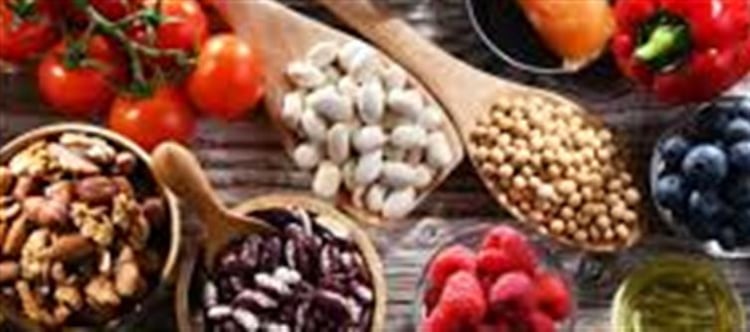

We all know that having high cholesterol can lead to serious health risks, including heart disease and stroke. While medication is often prescribed to help manage cholesterol levels, there are also several natural remedies that can help lower cholesterol and improve heart health. Making a few changes to your diet and lifestyle can have a significant impact on your cholesterol levels.
Here are 7 natural ways you can help reduce cholesterol and improve your overall cardiovascular health:
1. Eat More Fiber-Rich Foods
Fiber, especially soluble fiber, is known to help lower LDL (bad) cholesterol levels by preventing the absorption of cholesterol in the digestive tract. Soluble fiber forms a gel-like substance in the stomach, which binds to cholesterol and removes it from the body.
Why It Works: Soluble fiber binds to cholesterol and prevents its reabsorption into the bloodstream, reducing total cholesterol levels.
Sources of Soluble Fiber:
Oats and oat bran
Barley
Beans (kidney, chickpeas, lentils)
Fruits (apples, citrus, berries)
Vegetables (carrots, Brussels sprouts, sweet potatoes)
Psyllium husk
2. Include Healthy fats in Your Diet
Not all fats are bad for you. In fact, monounsaturated and polyunsaturated fats can help reduce LDL cholesterol levels and raise HDL (good) cholesterol. These healthy fats help improve cholesterol balance and support heart health.
Why It Works: Healthy fats can replace unhealthy fats (like trans fats and saturated fats) in your diet, improving overall cholesterol levels. They also help reduce inflammation, which is a key factor in heart disease.
Sources of Healthy Fats:
Avocados
Olive oil
Nuts (almonds, walnuts, pistachios)
Fatty fish (salmon, mackerel, sardines, trout)
Flaxseeds and chia seeds
3. Drink Green Tea
Green tea is packed with antioxidants, particularly catechins, which can help lower both total cholesterol and LDL cholesterol. Drinking green tea regularly can help improve heart health and reduce the risk of cardiovascular disease.
Why It Works: The antioxidants in green tea help inhibit the absorption of cholesterol and improve cholesterol metabolism in the liver. They also have anti-inflammatory effects that benefit cardiovascular health.
How to Incorporate It: Aim for 2-3 cups of green tea a day to get the full benefits of its cholesterol-lowering properties. You can also try matcha (a powdered form of green tea), which contains higher levels of catechins.
4. Consume Garlic
Garlic is widely known for its heart-healthy benefits, particularly in helping to reduce LDL cholesterol and blood pressure. It contains sulfur compounds, such as allicin, that have been shown to lower cholesterol levels.
Why It Works: Allicin, the active compound in garlic, has been shown to reduce the production of cholesterol in the liver and may help lower total cholesterol levels. garlic also has anti-inflammatory and antioxidant properties.
How to Incorporate It: Include 1-2 cloves of fresh garlic in your daily diet. You can add it to salads, soups, stir-fries, or smoothies. garlic supplements are also available, but consult with your doctor before using them, especially if you are on blood-thinning medications.
5. Exercise Regularly
Regular physical activity is one of the most effective natural ways to increase HDL cholesterol (the "good" cholesterol) and lower LDL cholesterol and triglycerides. Even light to moderate exercise can have a significant impact on heart health.
Why It Works: Exercise helps increase the size and function of HDL cholesterol particles, which enables them to carry more cholesterol away from the arteries and back to the liver for removal. It also helps regulate fat metabolism and improve circulation.
Exercise Recommendations:
Aim for 30 minutes of moderate-intensity exercise most days of the week. Activities such as brisk walking, jogging, swimming, or cycling can help improve cholesterol levels.
Strength training (e.g., weightlifting) 2-3 times a week can also benefit cholesterol levels.
6. Limit sugar and Refined Carbs
High intake of sugar and refined carbohydrates (like white bread, pastries, and sugary snacks) can contribute to high triglyceride levels and lower HDL cholesterol. By limiting your intake of processed sugars and carbs, you can help improve cholesterol balance.
Why It Works: Diets high in refined sugar and carbs can cause the liver to produce more fat (triglycerides), which can negatively affect cholesterol levels. Reducing sugar intake also helps control overall calorie intake, which can promote healthy weight management.
How to Incorporate It:
Choose whole grains (e.g., brown rice, quinoa, oats) over refined grains.
Limit sugary drinks, candies, and processed foods high in refined sugar.
Replace sugary snacks with healthy alternatives like fruits, nuts, or yogurt.
7. Add Plant Sterols and Stanols to Your Diet
Plant sterols and stanols are natural substances found in plant-based foods that can help block cholesterol absorption in the intestines. They have been shown to lower LDL cholesterol by as much as 10-15% when consumed regularly.
Why It Works: Plant sterols and stanols are structurally similar to cholesterol, and when consumed, they block cholesterol from being absorbed into the bloodstream. This helps reduce overall cholesterol levels.
Sources of Plant Sterols and Stanols:
Fortified foods: Some margarines, orange juices, and yogurt drinks are fortified with plant sterols.
Nuts: Walnuts, pistachios, and almonds contain small amounts of plant sterols.
Seeds: Flaxseeds and sunflower seeds are good sources.
Conclusion: A Heart-Healthy Lifestyle
Reducing cholesterol naturally is possible with the right dietary choices and lifestyle habits. While genetics and medical conditions can play a role in cholesterol levels, these 7 natural methods can significantly help lower cholesterol and reduce the risk of heart disease.
By incorporating more fiber, healthy fats, garlic, and exercise into your routine, and limiting sugar and refined carbs, you can keep your heart and arteries healthy. It’s important to remember that small changes, like drinking a cup of green tea or adding garlic to your meals, can have a big impact over time.
If you have high cholesterol or are at risk, be sure to consult with a healthcare professional to create a plan that works best for you.
Disclaimer:
The views and opinions expressed in this article are those of the author and do not necessarily reflect the official policy or position of any agency, organization, employer, or company. All information provided is for general informational purposes only. While every effort has been made to ensure accuracy, we make no representations or warranties of any kind, express or implied, about the completeness, reliability, or suitability of the information contained herein. Readers are advised to verify facts and seek professional advice where necessary. Any reliance placed on such information is strictly at the reader’s own risk.
 click and follow Indiaherald WhatsApp channel