



📢 What is being claimed?
You may see viral posts saying Arbi (Colocasia / Taro root) has “superpowers” like:
- ❤️ boosting heart function
- ✨ improving skin glow
- 💪 increasing overall health
Let’s separate nutrition facts vs hype.
🥔 What is Arbi actually?
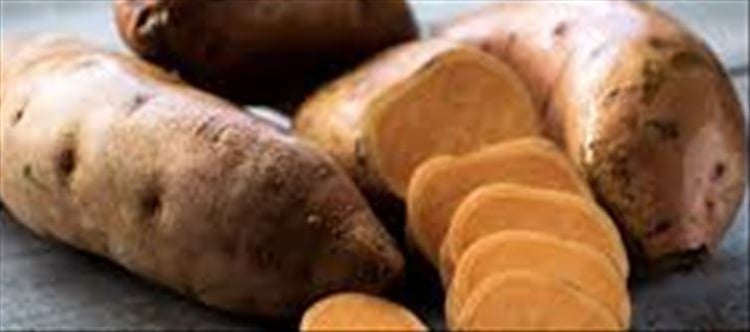
Arbi, also called taro root, is a starchy vegetable rich in:
- 🍠 carbohydrates (energy source)
- 🌿 fiber
- 🧂 potassium & magnesium
- 🧪 antioxidants (small amounts)
It is commonly used in indian cooking (curry, fry, gravies).
❤️ Does Arbi really boost heart health?
✔️ Possible benefits:
- High fiber may help reduce bad cholesterol (LDL)
- Potassium supports blood pressure balance
- Low fat (when not fried)
👉 These factors can support heart health indirectly.
⚠️ Reality check:
- It is NOT a heart medicine
- Benefits depend on overall diet, not one food
✨ Does Arbi improve skin glow?
✔️ Why people believe this:
- Contains antioxidants that help fight oxidative stress
- Good digestion (fiber) may improve skin indirectly
- Hydration support when part of a balanced diet
⚠️ Reality:
- No direct scientific proof that arbi “improves skin glow”
- Skin health depends more on:
- water intake
- sleep
- vitamins (A, C, E)
- overall nutrition
🧠 Nutritional reality of Arbi
✔️ Benefits:
- Good energy source
- Supports digestion (fiber)
- Contains some minerals
⚠️ Limitations:
- High in starch (can raise blood sugar if overeaten)
- Often cooked with oil → reduces health value
- Not a “superfood” in medical sense
🍽️ Healthy way to eat Arbi
✔️ Better options:
- Boiled arbi
- Lightly sautéed (low oil)
- Cooked with spices instead of deep-fried
❌ Avoid:
- Deep-fried arbi (high calories)
- Overeating in large portions
🧠 Simple truth
👉 Arbi is a healthy vegetable when eaten properly
👉 It supports nutrition but does NOT have “superpowers”
👉 Its benefits come from being part of a balanced diet, not as a miracle food
🧾 Conclusion
The claims about arbi boosting heart function and skin glow are exaggerated. It is a nutritious root vegetable, but not a miracle superfood.
Disclaimer:
The views and opinions expressed in this article are those of the author and do not necessarily reflect the official policy or position of any agency, organization, employer, or company. All information provided is for general informational purposes only. While every effort has been made to ensure accuracy, we make no representations or warranties of any kind, express or implied, about the completeness, reliability, or suitability of the information contained herein. Readers are advised to verify facts and seek professional advice where necessary. Any reliance placed on such information is strictly at the reader’s own risk.
 click and follow Indiaherald WhatsApp channel