
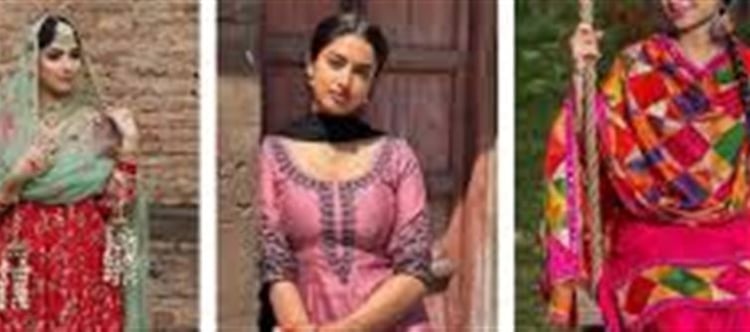


In Punjab, a chunni (or dupatta) is not just a piece of cloth — it’s a statement of tradition, mood, and even social signals. The colors you wear convey subtle messages about your personality, marital status, and emotional state. From festive celebrations to daily life, Punjabis have long used color as a form of communication.
Here’s a guide to what your chunni color says about you:
1. Red: The Color of Celebration
· Meaning: Love, energy, and auspiciousness.
· When Worn: Weddings, festivals like Lohri and Teej.
· Cultural Significance: red is traditionally worn by brides in Punjab. It symbolizes fertility, prosperity, and marital happiness.
2. Yellow: Joy and Spirituality
· Meaning: Happiness, optimism, and wisdom.
· When Worn: Baisakhi, religious ceremonies, spring festivals.
· Cultural Significance: Yellow represents new beginnings and spiritual growth. Young women often wear it during religious rituals for blessings and positivity.
3. Green: Growth and Harmony
· Meaning: Fertility, renewal, and peace.
· When Worn: Everyday wear, springtime celebrations, and harvest festivals.
· Cultural Significance: Green chunni reflects hope, vitality, and connection to nature.
4. Blue: Calm and Devotion
· Meaning: Loyalty, tranquility, and stability.
· When Worn: Religious gatherings and community events.
· Cultural Significance: Blue is often associated with Sikh spiritual leaders and devotion. women wearing blue are seen as calm and composed.
5. Pink: Femininity and Youth
· Meaning: Softness, playfulness, and charm.
· When Worn: Informal occasions, gatherings, or day-to-day wear.
· Cultural Significance: pink reflects youthful energy and romantic optimism. It’s often favored by young girls and teenagers.
6. White: Purity and Simplicity
· Meaning: Peace, humility, and spiritual focus.
· When Worn: Religious ceremonies, mourning, or meditation events.
· Cultural Significance: White chunni symbolizes purity of mind and soul, often worn by widows or during spiritual observances.
7. Orange/Saffron: Courage and Sacrifice
· Meaning: Bravery, spirituality, and courage.
· When Worn: Religious festivals, political events, or Sikh ceremonies.
· Cultural Significance: Saffron is a sacred color in Sikhism, representing sacrifice and devotion.
8. Purple: Luxury and Creativity
· Meaning: Royalty, mystery, and imagination.
· When Worn: Weddings, special occasions, or cultural celebrations.
· Cultural Significance: Purple chunni suggests confidence, creativity, and a bold personality.
🎨 How Chunni Colors Express Personality
· Bright, vibrant shades → Energetic, lively, outgoing
· Pastel and muted tones → Calm, gentle, and introspective
· Darker hues → Serious, grounded, and practical
· Multi-colored or patterned chunni → Creative and expressive
🧵 Modern-Day Twist
While traditional color meanings are respected, modern fashion has made mixing and matching colors common. Today, your chunni may reflect personal style, seasonal trends, or aesthetic preference rather than just cultural signals.
🌟 Conclusion
In Punjab, your chunni is more than just an accessory — it’s a language of colors. Whether red for celebration, green for growth, or saffron for devotion, every color carries a story about your mood, personality, or social message. Next time you pick a chunni, remember: your color choice speaks before you do!
Disclaimer:
The views and opinions expressed in this article are those of the author and do not necessarily reflect the official policy or position of any agency, organization, employer, or company. All information provided is for general informational purposes only. While every effort has been made to ensure accuracy, we make no representations or warranties of any kind, express or implied, about the completeness, reliability, or suitability of the information contained herein. Readers are advised to verify facts and seek professional advice where necessary. Any reliance placed on such information is strictly at the reader’s own risk.
 click and follow Indiaherald WhatsApp channel