


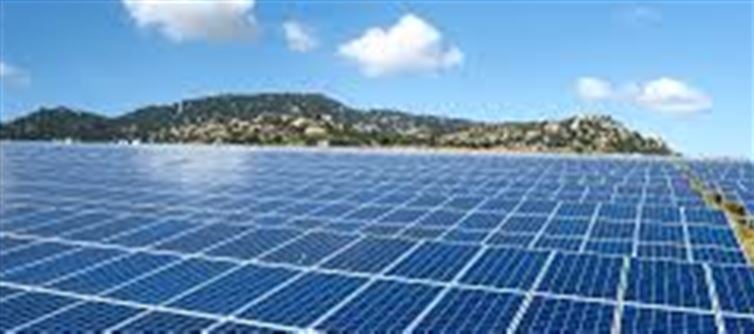

Uttar Pradesh has reached a milestone in renewable energy adoption, with over 3 lakh rooftop solar installations completed across the state. This remarkable achievement highlights the government’s push towards sustainable energy and positions UP as a leader in India’s solar sector.
Key Highlights
1️⃣ Landmark Achievement
· Total rooftop solar systems installed: 3,00,654
· Total installed capacity: 1,038 MW
· Uttar Pradesh now ranks among the top solar-performing states, following Gujarat and Maharashtra.
2️⃣ Government Initiative
· The initiative was driven by the visionary leadership of chief minister Yogi Adityanath.
· Focus areas included:
o Promoting rooftop solar adoption in urban and rural areas
o Offering incentives and subsidies to households and businesses
o Encouraging private sector participation in solar projects
3️⃣ Benefits of Rooftop Solar
· Energy Independence: Reduces reliance on conventional electricity sources
· Environmental Impact: Lowers carbon emissions, contributing to climate action goals
· Economic Advantages: Provides long-term savings on electricity bills and generates employment in the solar sector
· Sustainability: Aligns with India’s commitment to increase renewable energy capacity
4️⃣ State’s Renewable Energy Journey
· UP’s 3 lakh rooftop solar installations mark a significant leap in clean energy adoption.
· The government aims to further expand solar capacity, making renewable energy accessible to more households and businesses.
📌 Final Takeaway
With over 1,038 MW of rooftop solar capacity installed, Uttar Pradesh has demonstrated that renewable energy can be scaled rapidly through strong policy support and public participation. This milestone is a major step forward for India’s green energy goals and sets an example for other states to follow.
Disclaimer:
The views and opinions expressed in this article are those of the author and do not necessarily reflect the official policy or position of any agency, organization, employer, or company. All information provided is for general informational purposes only. While every effort has been made to ensure accuracy, we make no representations or warranties of any kind, express or implied, about the completeness, reliability, or suitability of the information contained herein. Readers are advised to verify facts and seek professional advice where necessary. Any reliance placed on such information is strictly at the reader’s own risk..jpg)
 click and follow Indiaherald WhatsApp channel