


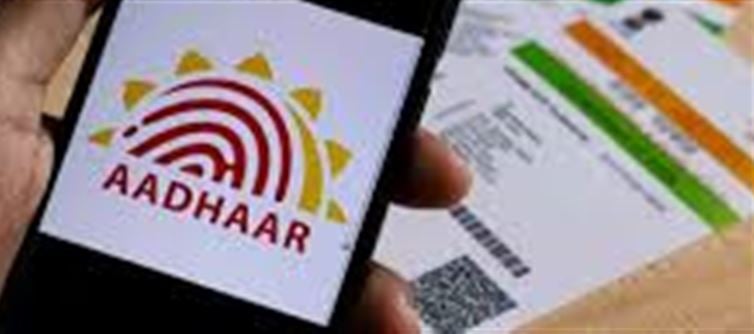

The Unique Identification Authority of india (UIDAI) has introduced a new method to verify Aadhaar—through QR codes—to make identity verification faster, safer, and more secure.
What’s Changing?
Previously, institutions often asked for physical copies of Aadhaar for verification.
Under the new rule, QR codes on Aadhaar cards or e-Aadhaar will become the primary verification method.
Organizations cannot request or store photocopies of your Aadhaar, reducing the risk of misuse or identity theft.
How Aadhaar QR Verification Works
Scan the QR code on your Aadhaar card using the official uidai app or authorized scanners.
The QR code contains encrypted information such as your name, Aadhaar number, and photo.
Instant verification happens without sharing sensitive data physically or digitally.
Benefits of QR-Based Aadhaar Verification
Enhanced Security: Reduces risk of fraud or identity theft.
Convenience: No need to carry physical copies or repeatedly submit documents.
Compliance: Aligns with UIDAI’s efforts to protect personal data under the latest privacy norms.
Bottom Line
From now on, QR-based Aadhaar verification will become the standard, making it safer for you to prove your identity at hotels, clubs, banks, and government offices. Keeping your e-Aadhaar or card with QR code handy will ensure smooth and secure verification.
Disclaimer:
The views and opinions expressed in this article are those of the author and do not necessarily reflect the official policy or position of any agency, organization, employer, or company. All information provided is for general informational purposes only. While every effort has been made to ensure accuracy, we make no representations or warranties of any kind, express or implied, about the completeness, reliability, or suitability of the information contained herein. Readers are advised to verify facts and seek professional advice where necessary. Any reliance placed on such information is strictly at the reader’s own risk.
.jpg)
 click and follow Indiaherald WhatsApp channel