


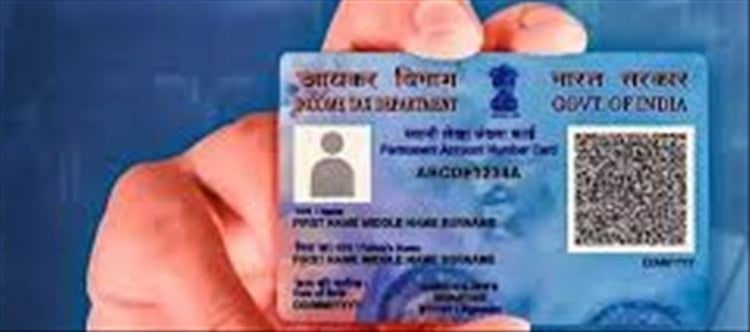

The Permanent Account Number (PAN) card system in India is undergoing important changes as part of updated Income Tax rules and wallet PLATFORM' target='_blank' title='digital-Latest Updates, Photos, Videos are a click away, CLICK NOW'>digital compliance reforms. These changes aim to improve security, reduce fraud, and simplify verification, but they also introduce stricter documentation and identity checks for users.
Here is a clear breakdown of the major PAN card rule changes.
1. Aadhaar-Only PAN Applications Will No Longer Be Allowed
One of the biggest changes is that:
- Earlier: PAN could be applied using only Aadhaar details
- Now (from april 1, 2026): Aadhaar alone is not sufficient
Applicants must now submit additional identity and DOB proof documents such as:
- Passport
- Voter ID
- Birth certificate
- Class 10 certificate
👉 This change is meant to strengthen identity verification and reduce fake PAN applications.
2. More Strict Document Verification for New PAN Cards
New applicants and correction requests will require:
- Multiple supporting documents (not just Aadhaar)
- Stronger validation of name, date of birth, and address
- Matching details across PAN and Aadhaar records
👉 Even small mismatches can delay approval or cause KYC issues.
3. Updated PAN application and Correction Forms
The government has introduced:
- New PAN application forms
- Revised PAN correction forms
- More structured online and offline processes
These updates aim to simplify processing but also ensure stricter checks.
4. Stronger PAN–Aadhaar Linking Rules
PAN–Aadhaar linkage continues to be mandatory for financial and tax activities.
Key points:
- Unlinked PAN may become inoperative
- Linked PAN is required for filing Income Tax Returns
- Financial transactions may be restricted if not linked properly
👉 This makes linking both IDs essential for everyday financial use.
5. PAN Details Must Match Aadhaar Exactly
From the new rules:
- Name spelling must match Aadhaar
- Date of birth must be consistent
- Address discrepancies may require correction
👉 Mismatched data can cause delays in banking KYC, loans, and tax filing.
6. PAN Card Format Upgrades (QR Code & Security)
Newer PAN cards are expected to include:
- Enhanced QR codes
- Digitally verifiable identity data
- Improved anti-fraud features
This makes fake PAN usage much harder.
7. Stricter Use of PAN in High-Value Transactions
PAN is now more strictly required for:
- High-value purchases (like gold above limits)
- Opening financial accounts (such as demat accounts)
- Property and investment transactions (as per updated rules)
👉 This improves financial transparency and tracking of large transactions.
Final Takeaway
The new PAN card rules focus on three main goals:
- Stronger identity verification
- Reduced fraud and duplicate PANs
- Tighter integration with Aadhaar and financial systems
For users, the key impact is simple:
👉 Keep your Aadhaar and PAN details accurate and updated to avoid delays in banking, taxation, or financial services.
Disclaimer:
The views and opinions expressed in this article are those of the author and do not necessarily reflect the official policy or position of any agency, organization, employer, or company. All information provided is for general informational purposes only. While every effort has been made to ensure accuracy, we make no representations or warranties of any kind, express or implied, about the completeness, reliability, or suitability of the information contained herein. Readers are advised to verify facts and seek professional advice where necessary. Any reliance placed on such information is strictly at the reader’s own risk.
 click and follow Indiaherald WhatsApp channel