
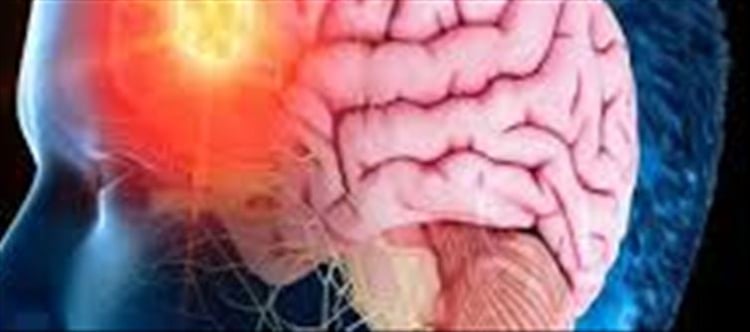


A brain stroke is a medical emergency that happens when blood flow to part of the brain is interrupted. Quick recognition of symptoms can save life and reduce long-term damage. The earlier a stroke is treated, the better the chances of recovery.
What Is a Stroke?
A stroke occurs when:
- A blood clot blocks blood flow to the brain (ischemic stroke), or
- A blood vessel in the brain bursts (hemorrhagic stroke)
In both cases, brain cells begin to die within minutes due to lack of oxygen.
Early Warning Signs of Stroke (FAST Method)
A simple way to remember key symptoms is the FAST rule:
F – Face Drooping
- One side of the face may droop or feel numb
- Uneven smile when trying to smile
A – Arm Weakness
- Sudden weakness or numbness in one arm
- Difficulty lifting both arms evenly
S – Speech Difficulty
- Slurred or unclear speech
- Trouble speaking or understanding words
T – Time to Call Emergency
- If any of these signs appear, seek medical help immediately
Other Important Warning Symptoms
1. Sudden Confusion
Difficulty understanding simple sentences or responding properly.
2. Severe Headache
A sudden, intense headache with no known cause—especially common in hemorrhagic strokes.
3. Vision Problems
Blurred vision, double vision, or sudden loss of sight in one or both eyes.
4. Loss of Balance or Coordination
- Dizziness
- Trouble walking
- Loss of coordination or balance
5. Numbness on One Side of the Body
Sudden weakness or numbness in the face, arm, or leg, especially on one side.
Why Early Action Matters
A stroke is extremely time-sensitive. Medical treatment within the first few hours can:
- Save brain function
- Reduce disability
- Increase survival chances
Delays can lead to permanent damage.
Risk Factors to Watch
Some conditions increase stroke risk:
- High blood pressure
- Diabetes
- Smoking
- High cholesterol
- Obesity
- Sedentary lifestyle
What to Do If You Suspect a Stroke
- Call emergency medical services immediately
- Do not wait for symptoms to improve
- Note the time symptoms started
- Keep the person calm and lying on their side if possible
Conclusion
Stroke symptoms often appear suddenly and can be subtle at first. Recognizing early warning signs like facial drooping, arm weakness, and speech difficulty can make a life-saving difference. Immediate medical attention is critical—every minute counts.
Disclaimer:
The views and opinions expressed in this article are those of the author and do not necessarily reflect the official policy or position of any agency, organization, employer, or company. All information provided is for general informational purposes only. While every effort has been made to ensure accuracy, we make no representations or warranties of any kind, express or implied, about the completeness, reliability, or suitability of the information contained herein. Readers are advised to verify facts and seek professional advice where necessary. Any reliance placed on such information is strictly at the reader’s own risk.
 click and follow Indiaherald WhatsApp channel