


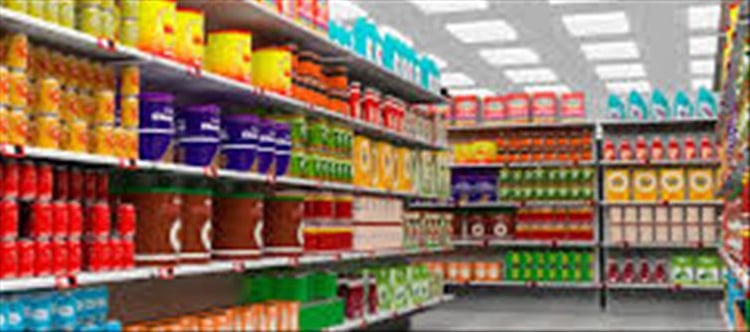

“Dark stores” (small, delivery-only warehouses used by quick commerce apps like Blinkit, Zepto, swiggy Instamart) are changing how groceries are priced and delivered. They are built for speed + scale + app-based discounts, not walk-in customers.
Meanwhile, neighborhood kirana stores are struggling because they operate very differently.
💸 Why dark stores are able to undercut kiranas
1. Heavy discounting (often below cost)
Quick commerce platforms frequently use deep discounts funded by investor money. This allows them to sell below normal retail margins—something kiranas cannot sustain.
- This has led to accusations of predatory pricing by trade groups
- Kiranas say they cannot match app-level discounts consistently
2. Direct sourcing + bulk buying power
Dark store operators buy directly from brands in massive volumes, reducing per-unit cost.
- Kiranas usually rely on distributors with thinner margins
- Platforms negotiate better pricing due to scale
3. Faster delivery creates “convenience premium”
Even if prices are similar or slightly higher later, customers still prefer:
- 10–15 minute delivery
- No travel time
- Instant availability
This shifts demand away from nearby kiranas.
4. Algorithmic pricing & app control
Prices on apps can change dynamically based on:
- demand
- location
- stock levels
- promotions
Kiranas, on the other hand, usually follow fixed local pricing.
🧾 Impact on kirana stores
The effect is not theoretical—it’s already visible:
- Many urban kiranas report 10–30% drop in sales
- Some areas see heavy loss of daily footfall
- A portion of urban consumers now shift a chunk of grocery spending to quick commerce
Some reports even estimate significant store closures in metro areas due to competition pressure.
⚖️ But kiranas still have advantages
Dark stores are not unbeatable. Kiranas still win in:
- Credit/“udhaar” system (very important in India)
- Personal relationships with customers
- Immediate trust for quality checking
- No delivery fee or app dependency
- Ability to negotiate or substitute items instantly
Many customers still rely on them for daily essentials + emergencies + small purchases.
🧠 The real truth (balanced view)
It’s not simply “dark stores are killing kiranas.”
Instead, what’s happening is:
A technology + convenience-driven model is competing with a relationship + proximity-driven model.
Both can coexist—but pressure is highest in cities where:
- internet penetration is high
- disposable income is rising
- instant delivery culture is strong
🔚 Conclusion
Yes—dark stores do often price aggressively and are reshaping grocery buying behavior. That creates real pressure on neighborhood kirana stores.
But kiranas are not disappearing overnight. The future is likely a hybrid system, where:
- dark stores dominate urgent + app-based shopping
- kiranas survive through trust, credit, and local service
Disclaimer:
The views and opinions expressed in this article are those of the author and do not necessarily reflect the official policy or position of any agency, organization, employer, or company. All information provided is for general informational purposes only. While every effort has been made to ensure accuracy, we make no representations or warranties of any kind, express or implied, about the completeness, reliability, or suitability of the information contained herein. Readers are advised to verify facts and seek professional advice where necessary. Any reliance placed on such information is strictly at the reader’s own risk.
 click and follow Indiaherald WhatsApp channel