


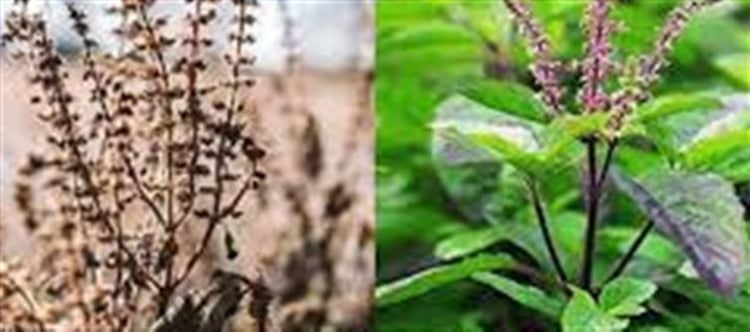

Tulsi (Holy Basil) is one of the most revered medicinal plants in India, known for its health benefits, spiritual significance, and air-purifying properties. While it grows well throughout the year, the winter season requires special attention because cold weather can affect its growth and vitality. With the right care, your Tulsi plant can thrive even in chilly temperatures. Here’s a detailed guide on how to take care of your Tulsi plant in winter.
1. Keep It in a Sunny Spot
Tulsi plants love sunlight. During winter, the days are shorter and sunlight is less intense, so it’s important to place your Tulsi plant in a spot where it receives at least 4–6 hours of direct sunlight each day. A south-facing window, balcony, or terrace is ideal. If sunlight is insufficient, consider using grow lights to provide extra light.
Tip: Rotate the pot occasionally so that all sides of the plant get sunlight equally.
2. Maintain Proper Temperature
Tulsi is sensitive to cold. The ideal temperature for its growth is 20°C to 30°C (68°F to 86°F). Temperatures below 10°C (50°F) can slow its growth and damage the leaves.
How to protect it:
· Move outdoor pots indoors at night if temperatures drop.
· Use a frost cloth or light blanket to cover outdoor plants during cold nights.
· Avoid placing the plant near drafty windows or cold walls.
3. Watering Wisely
In winter, Tulsi requires less water than in summer. Overwatering can cause root rot due to the cold soil. Follow these guidelines:
· Check the soil before watering. Only water when the top 1–2 inches of soil are dry.
· Water in the morning, so any excess moisture evaporates during the day.
· Avoid letting water accumulate in the saucer under the pot.
Tip: Reduce watering frequency gradually as the temperature drops.
4. Use Well-Draining Soil
Tulsi thrives in loamy soil that drains well. During winter, heavy or waterlogged soil can lead to fungal infections. If your soil tends to retain water, mix sand, perlite, or vermicompost to improve drainage. A slightly raised potting area can also prevent water stagnation.
5. Prune and Harvest Regularly
Pruning helps the plant stay healthy and encourages new growth. During winter:
· Remove yellowing or damaged leaves.
· Trim the top of the plant to prevent it from becoming leggy.
· Regularly harvest leaves for consumption, but avoid over-harvesting, especially when growth is slow.
Tip: Always use clean scissors to prevent infections.
6. Fertilize Moderately
Tulsi does not need heavy fertilization in winter. A light dose of organic fertilizer or compost once a month is sufficient. Over-fertilization in cold weather can harm the plant.
Tip: neem cake or cow dung-based fertilizers are excellent natural options.
7. Protect from Pests
Cold weather usually reduces pest activity, but sometimes aphids, spider mites, or fungal infections can appear indoors.
· Spray a mild solution of neem oil and water on leaves.
· Ensure good air circulation around the plant.
· Remove any infected leaves immediately.
8. Pot Care for Indoor Tulsi
If your Tulsi plant is in a pot:
· Ensure the pot has drainage holes.
· Avoid placing the pot directly on cold floors. Use a tray or stand to insulate the roots.
· If indoors, rotate the plant to ensure even sunlight exposure.
9. Encourage Growth with Warmth
Tulsi grows best in warmth. If indoors, maintain a temperature of around 22–25°C (72–77°F) during the day. Avoid heaters that dry out the air too much. You can mist the leaves lightly to maintain humidity.
10. Additional Tips
· Tulsi grows slower in winter, so be patient.
· Avoid moving the plant too much; Tulsi prefers a stable environment.
· Morning sunlight is preferable as it reduces the risk of fungal infections.
✅ Conclusion
Taking care of a Tulsi plant in winter doesn’t have to be complicated. By providing adequate sunlight, moderate watering, protection from cold, and occasional pruning and fertilization, you can keep your plant healthy, lush, and productive throughout the season. A well-cared-for Tulsi plant not only enhances the beauty of your home but also keeps your environment fresh and spiritually uplifting.
Disclaimer:
The views and opinions expressed in this article are those of the author and do not necessarily reflect the official policy or position of any agency, organization, employer, or company. All information provided is for general informational purposes only. While every effort has been made to ensure accuracy, we make no representations or warranties of any kind, express or implied, about the completeness, reliability, or suitability of the information contained herein. Readers are advised to verify facts and seek professional advice where necessary. Any reliance placed on such information is strictly at the reader’s own risk.
 click and follow Indiaherald WhatsApp channel