


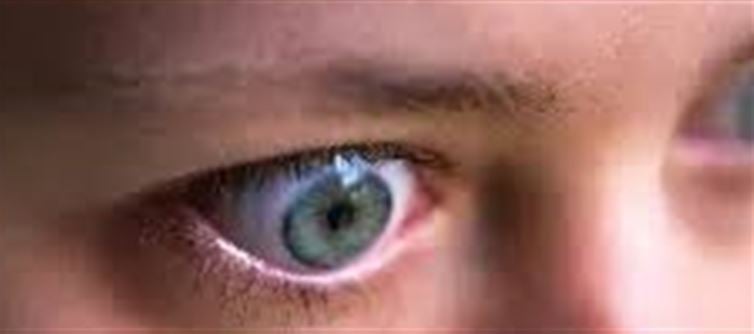

Most people associate thyroid problems with weight changes, fatigue, or mood swings. But did you know that thyroid disorders can also directly affect your eyes?
Thyroid eye disease (TED), also called Graves’ ophthalmopathy, is an autoimmune condition where the body’s immune system attacks tissues around the eyes. This can lead to pain, swelling, vision changes, and even long-term eye damage if left untreated.
🔹 How Thyroid Impacts Your Eyes
Thyroid disorders, especially hyperthyroidism, can cause inflammation and tissue buildup around the eyes. Key effects include:
- Swelling of eye muscles and fat
- Bulging eyes (proptosis)
- Eyelid retraction or puffiness
- Dryness and irritation
These changes not only affect appearance but can also lead to serious vision problems in advanced cases.
⚠️ Common Symptoms to watch For
People with thyroid eye disease may experience:
Bulging or protruding eyes – Eyes may appear larger than usual or seem to “pop out.”
Redness and irritation – Often accompanied by burning, tearing, or a gritty sensation.
Dry or watery eyes – Reduced blinking and tear film instability can cause chronic dryness.
Double vision (diplopia) – Swelling of eye muscles can interfere with normal eye movement.
Eyelid swelling or retraction – The upper eyelid may pull back, exposing more of the eye.
Light sensitivity (photophobia) – Inflamed eyes may become unusually sensitive to sunlight.
Vision loss (rare) – Severe cases can compress the optic nerve, leading to permanent vision damage.
🧬 Who’s at Risk?
- Individuals with Graves’ disease (autoimmune hyperthyroidism)
- Women between ages 30–50 (though men can also be affected)
- Smokers – Smoking significantly increases severity of thyroid eye disease
- People with poorly controlled thyroid hormone levels
Early detection and management are key to preventing long-term complications.
🩺 Diagnosis and Tests
If you notice eye changes along with thyroid symptoms, your doctor may recommend:
- Eye examination – Checking vision, eye movements, and eyelid position
- Imaging tests – CT or MRI scans to detect swelling of eye muscles or orbital fat
- Blood tests – Thyroid hormone levels (T3, T4, TSH) and antibody tests
- Exophthalmometry – Measures how much the eyes protrude
💊 Treatment Options
Treatment depends on severity and progression:
1. Mild Cases
- Lubricating eye drops for dryness
- Sunglasses to reduce light sensitivity
- Sleeping with head elevated to reduce swelling
2. Moderate Cases
- Corticosteroids to reduce inflammation
- Prisms or corrective lenses for double vision
3. Severe Cases
- Orbital decompression surgery to relieve pressure on the optic nerve
- Eyelid surgery to restore eyelid function and protect cornea
- Eye muscle surgery for double vision
Note: Managing underlying thyroid disease is crucial. Stabilizing hormone levels can prevent progression of eye problems.
🏃♀️ Lifestyle Measures to Protect Your Eyes
- Quit smoking – Reduces severity and risk of thyroid eye disease
- Regular check-ups – Monitor thyroid and eye health closely
- Protect your eyes – Wear sunglasses and use artificial tears
- Healthy diet – Nutrient-rich foods support immune and eye health
- Manage stress – Stress can worsen autoimmune responses
⚡ When to Seek Immediate Help
Seek urgent medical care if you experience:
- Sudden vision loss or blurring
- Severe eye pain
- Difficulty moving the eyes
- Double vision that worsens rapidly
Prompt intervention can save vision and prevent permanent damage.
✅ Takeaway
Thyroid eye disease is more than cosmetic — it can significantly impact vision, eye comfort, and quality of life. Early recognition, proper thyroid management, and timely treatment can protect your eyes and preserve vision.
Disclaimer:
The views and opinions expressed in this article are those of the author and do not necessarily reflect the official policy or position of any agency, organization, employer, or company. All information provided is for general informational purposes only. While every effort has been made to ensure accuracy, we make no representations or warranties of any kind, express or implied, about the completeness, reliability, or suitability of the information contained herein. Readers are advised to verify facts and seek professional advice where necessary. Any reliance placed on such information is strictly at the reader’s own risk.
 click and follow Indiaherald WhatsApp channel