


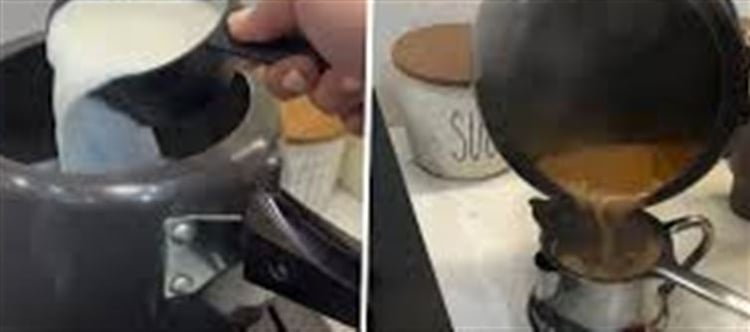

Social media is no stranger to quirky kitchen hacks, but one recent video has truly divided the internet. A woman went viral for making chai (tea) inside a pressure cooker, claiming it saves time and enhances flavour. While some viewers called it a smart shortcut, others warned it could be unsafe and unnecessary.
So, is making chai in a cooker actually a clever hack — or just another risky viral trend? Let’s break it down.
🔥 What Is the Viral Chai-in-Cooker Hack?
In the viral clip, the woman adds:
- Water
- Tea leaves
- Milk
- Sugar
directly into a pressure cooker, seals the lid, and lets it boil under pressure for a short time before releasing steam and serving the tea.
The claims?
- Faster brewing
- Stronger flavour
- Less supervision
🤔 Does Making Chai in a Cooker Really Improve Taste?
✔️ Possible Benefits
- Faster extraction: Pressure cooking increases temperature, which can extract tea flavours more quickly.
- Strong brew: The tea may taste stronger due to prolonged boiling at higher heat.
❌ Downsides
- Over-brewing: Excess pressure and heat can make chai bitter.
- Milk texture issues: Milk can curdle or develop an unpleasant smell when overcooked.
- Loss of aroma: Traditional chai relies on gentle simmering to preserve fragrance.
👉 Verdict on taste:
While it may produce a strong cup of tea, it does not necessarily taste better than traditionally brewed chai.
⚠️ Is It Safe to Make Chai in a Pressure Cooker?
This is where concerns become serious.
🚨 Potential Risks
- Milk foaming under pressure can clog the cooker’s vent.
- Pressure buildup from milk-based liquids increases the risk of:
- Sudden steam release
- Lid malfunction
- Burns or kitchen accidents
Pressure cookers are designed mainly for water-based cooking, not milk-heavy liquids.
👩🍳 What experts say:
Cooking milk in a sealed pressure cooker is not recommended, especially without constant supervision.
🧪 Nutrition & Quality Impact
- Overheating milk may reduce nutrient quality.
- Excessive boiling destroys tea antioxidants.
- Traditional slow brewing retains better flavour balance and aroma.
🫖 Traditional Chai vs Cooker Chai
Factor
Traditional Method
Pressure Cooker Method
Safety
✅ High
❌ Risky
Taste balance
✅ Better
⚠️ Often bitter
Aroma
✅ Preserved
❌ Reduced
Time-saving
❌ Slightly slower
✅ Faster
Nutrient retention
✅ Better
❌ Lower
🧠 So Why Do Such Hacks Go Viral?
- They look time-saving and dramatic
- Pressure cookers symbolize fast cooking
- Short videos prioritise shock value over safety
But viral doesn’t always mean practical.
✅ Final Verdict: Hack or Not?
❌ Not a recommended hack
While making chai in a pressure cooker may work technically, it:
- Poses safety risks
- Offers no significant taste advantage
- Can reduce quality and nutrition
🫖 The safest and best way to enjoy chai remains the traditional stove-top method, where you can control heat, flavour, and texture.
☕ Bottom Line
Sometimes, old-school methods are old for a reason. When it comes to chai, patience and gentle simmering beat viral shortcuts every time.
Disclaimer:
The views and opinions expressed in this article are those of the author and do not necessarily reflect the official policy or position of any agency, organization, employer, or company. All information provided is for general informational purposes only. While every effort has been made to ensure accuracy, we make no representations or warranties of any kind, express or implied, about the completeness, reliability, or suitability of the information contained herein. Readers are advised to verify facts and seek professional advice where necessary. Any reliance placed on such information is strictly at the reader’s own risk.
 click and follow Indiaherald WhatsApp channel