



Introduction
In Hindu traditions, rituals and ceremonies are deeply rooted in ancient customs and Vedic practices. One common question people encounter during weddings, housewarmings, or other religious ceremonies is when the priest asks: “What is your gotra?” For many, especially in modern times, this term may sound unfamiliar. However, gotra carries significant spiritual, cultural, and genealogical importance in Hindu society.
Meaning and Origin of Gotra
The word Gotra is derived from Sanskrit. “Go” means cow, and “tra” means shelter or protection. In ancient times, it referred to a group of cows kept in one enclosure, symbolizing a lineage or family group. Over time, the meaning evolved to represent a person’s ancestral lineage traced back to a common sage (Rishi).
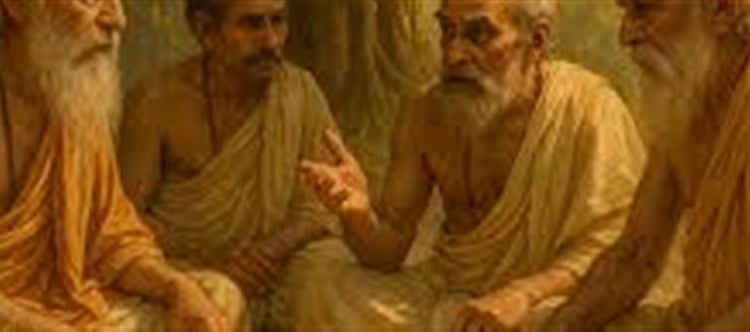
According to Hindu tradition, most Brahmin gotras are believed to have originated from the seven great sages (Saptarishis):
- Kashyapa
- Atri
- Bharadwaj
- Vishwamitra
- Gautama
- Jamadagni
- Vashishta
People belonging to a particular gotra are considered descendants of that sage through an unbroken male lineage.
The Concept of Lineage in Hinduism
In Hindu culture, family lineage holds deep importance. Gotra serves as a way to identify one's ancestral roots and spiritual heritage. Traditionally, a child inherits the father’s gotra, and this lineage continues through generations.
Gotra is not merely a surname or caste identity. It is a marker of ancient ancestry that connects an individual to Vedic traditions and the wisdom of the Rishis.
Why Priests Ask for Gotra During Weddings
1. To Avoid marriage Within the Same Lineage
One of the primary reasons priests ask for gotra during weddings is to ensure that the bride and groom do not belong to the same gotra. In traditional Hindu belief, individuals of the same gotra are considered descendants of the same sage and therefore treated as siblings. Marrying within the same gotra is traditionally discouraged to prevent close-blood relationships.
2. For Sankalpa (Ritual Declaration)
During Hindu rituals, priests perform a Sankalpa, a formal declaration that includes:
- The person’s name
- Father’s name
- Gotra
- Place and date of the ritual
Mentioning the gotra invokes the blessings of the ancestral sage and ensures the ritual is performed in the correct lineage.
3. To Invoke ancestral Blessings
Hindu rituals emphasize honoring ancestors (Pitru). By stating the gotra, priests symbolically connect the person performing the ritual to their ancestral Rishi, seeking blessings for prosperity, health, and harmony.
Importance of Gotra in Other Religious Ceremonies
Gotra is not limited to weddings. It is also asked during:
- Naming ceremonies (Namkaran)
- Thread ceremony (Upanayana)
- Housewarming (Griha Pravesh)
- Shraddha and Pitru rituals
- Temple pujas and homas
In each of these ceremonies, the gotra helps identify the individual’s spiritual lineage.
Gotra and Modern Society
In contemporary times, especially in urban settings, many people are unaware of their gotra. Inter-caste marriages and nuclear family systems have made the concept less prominent in daily life. However, in traditional families, knowing one's gotra remains important for cultural continuity.
Some communities also follow additional rules, such as avoiding marriage within the same pravara (sub-lineage of sages).
Common Misconceptions About Gotra
Gotra Is Not the Same as Caste
Gotra refers to lineage, while caste (varna or jati) refers to social classification. They are distinct concepts.
Gotra Is Not a Surname
While some surnames may indicate gotra, they are not always identical.
Women and Gotra
Traditionally, a woman adopts her husband’s gotra after marriage for ritual purposes, although she is born into her father’s gotra.
Scientific and Social Perspective
Some scholars believe that the rule of avoiding marriage within the same gotra may have had a social and genetic purpose — preventing close genetic relationships and encouraging wider social bonds. This shows how ancient traditions often had practical reasoning behind them.
Conclusion
Gotra is a vital aspect of Hindu tradition that links individuals to their ancient ancestral sages. It plays a key role in weddings and religious ceremonies by preserving lineage identity, ensuring proper ritual performance, and honoring ancestral heritage.
When priests ask for your gotra, they are not merely following a ritualistic formality — they are invoking centuries of tradition, ancestry, and spiritual continuity.
Understanding gotra helps us appreciate the depth and structure of Hindu customs and the importance placed on lineage, respect for ancestors, and sacred rituals.
Disclaimer:
The views and opinions expressed in this article are those of the author and do not necessarily reflect the official policy or position of any agency, organization, employer, or company. All information provided is for general informational purposes only. While every effort has been made to ensure accuracy, we make no representations or warranties of any kind, express or implied, about the completeness, reliability, or suitability of the information contained herein. Readers are advised to verify facts and seek professional advice where necessary. Any reliance placed on such information is strictly at the reader’s own risk.
 click and follow Indiaherald WhatsApp channel