


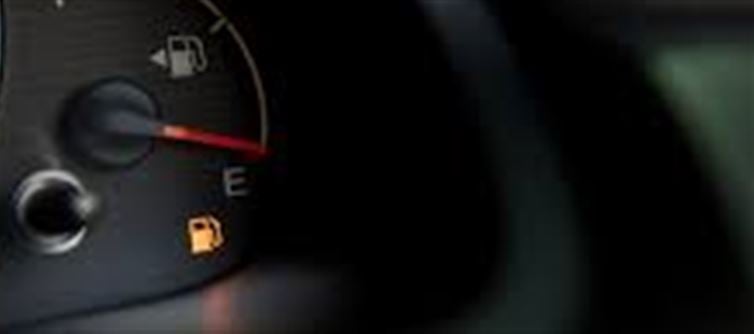

The dreaded "low fuel" light is a common sight for many drivers, signaling that it’s time to refuel. But how much time or distance do you really have before running completely dry? While it's easy to assume the light means you're on the verge of empty, the truth is a bit more nuanced. In this article, we’ll break down how far your car can go after the low fuel light turns on, the factors that affect this distance, and why it's important not to push it to the limit.
🛢️ Understanding the Low Fuel Light
What Does the Low Fuel Light Actually Mean?
The low fuel warning light typically illuminates when your fuel gauge shows that you have about 10-15% of your fuel tank left. However, this percentage can vary depending on the car make and model. In most cars, the light comes on when the tank holds around 1.5 to 2.5 gallons (6-10 liters) of fuel, which means there’s still some fuel left for the engine to run.
🚗 How Far Can You Really Drive on "Empty"?
The Distance After the Warning Light
Once the low fuel light comes on, many drivers wonder how much farther they can drive before running out of fuel. The answer depends on several factors, but on average:
- Most vehicles can travel an additional 30 to 50 miles (48 to 80 kilometers) after the light turns on.
- Some vehicles may go further — up to 60 miles — while others may be limited to 20–30 miles, especially if they have a smaller fuel tank.
However, this isn’t a fixed number, and it’s important to understand that pushing the limits of your car’s fuel reserve isn’t always a good idea.
⚙️ Factors That Affect How Far You Can Go
1. Vehicle Make and Model
- Different cars have different sized fuel tanks, and the remaining fuel reserve varies.
- Luxury cars, SUVs, and trucks typically have larger fuel tanks, allowing for more distance after the light comes on.
- Smaller, fuel-efficient cars may have smaller tanks and a shorter distance left once the low fuel light comes on.
2. Driving Conditions
- City vs. Highway Driving: If you're driving on the highway, your fuel consumption is generally more efficient than in city traffic, where frequent stops and starts can burn fuel faster.
- Driving Style: Aggressive driving (rapid acceleration or hard braking) can decrease your car’s fuel economy and reduce how far you can travel after the low fuel light turns on.
3. Fuel Efficiency of Your Car
- Fuel efficiency (miles per gallon or kilometers per liter) plays a huge role. If your car is more fuel-efficient, you might be able to squeeze out more miles before empty.
- Older cars or those with an inefficient engine might use up the remaining fuel quicker.
📉 Why Is It Risky to Drive on Low Fuel?
1. Fuel Pump Damage
Your fuel pump relies on the fuel in your tank for lubrication and cooling. Running your car on low fuel too often can cause the pump to run dry, potentially damaging the fuel pump over time, leading to costly repairs.
2. Sediment in the Tank
As fuel gets lower, it stirs up sediment and impurities from the bottom of the fuel tank. If these particles are drawn into the fuel system, they can clog the fuel filter, reducing engine performance or even causing a breakdown.
3. Getting Stranded
While the low fuel light is meant to give you a buffer, it’s never guaranteed to be accurate. Depending on your driving conditions, you may find yourself unexpectedly running out of fuel even before the predicted distance is covered.
🛣️ How to Maximize Your Fuel Range After the Low Fuel Light Comes On
If you do decide to drive after the low fuel light comes on, here are a few tips to make the most of the remaining fuel:
1. Drive Conservatively
- Slow down: Reduce your speed to save fuel.
- Avoid rapid acceleration or hard braking.
- Keep a steady speed and use cruise control if possible.
2. Reduce Weight in Your Car
- Empty out unnecessary items to reduce the load on your car.
- Reduce the use of air conditioning as it can increase fuel consumption.
3. Check Your Tires
- Ensure your tires are properly inflated. Under-inflated tires create more drag, which decreases fuel efficiency.
4. Plan for Fuel Stops
- If possible, try to refuel before the light comes on to avoid getting into the situation where you have very little fuel left.
⛽ How to Know When You Should Refuel
While the low fuel light can give you a general idea, it’s always best to refuel before you reach that point. Here are some signs to help you know when it’s time to fill up:
- The light has been on for a while and you’ve already driven a substantial distance.
- You’re driving in an area with few gas stations, such as highways or rural areas.
- You have an important appointment, and you can’t afford to risk running out of fuel.
📍 Conclusion: Should You Trust the Low Fuel Light?
While the low fuel light gives you a reasonable estimate of how far you can go, it’s important to treat it as a warning, not an invitation to keep driving until you run out. Your car’s reserve fuel can vary based on several factors, and constantly driving on low fuel can lead to unwanted repairs and breakdowns. Ideally, you should refuel before the light comes on to ensure your car stays in optimal condition.
If you find yourself needing to push the limits of your fuel, driving conservatively and keeping your car’s weight in check can help you extend the range. However, always plan ahead and keep track of fuel levels to avoid unnecessary risks.
Disclaimer:
The views and opinions expressed in this article are those of the author and do not necessarily reflect the official policy or position of any agency, organization, employer, or company. All information provided is for general informational purposes only. While every effort has been made to ensure accuracy, we make no representations or warranties of any kind, express or implied, about the completeness, reliability, or suitability of the information contained herein. Readers are advised to verify facts and seek professional advice where necessary. Any reliance placed on such information is strictly at the reader’s own risk.
 click and follow Indiaherald WhatsApp channel