



📅 Introduction
Cooking gas is one of the most essential household expenses. With a few smart cooking habits, you can significantly reduce gas usage and save money every month without compromising on food quality.
🍲 1. Use a Pressure Cooker Whenever Possible
A pressure cooker is one of the best tools for saving gas.
Why it helps:
Cooks food faster
Uses less heat and time
Retains nutrients in food
Best foods to cook in it:
Rice, dal, legumes
Vegetables like potatoes, carrots, beans
Curries and stews
👉 The less time on flame, the more gas you save.
🔥 2. Always Cover Your Cookware
Cooking without a lid wastes heat.
Benefits:
Food cooks faster
Less gas consumption
Keeps moisture and flavor intact
🧑🍳 3. Pre-Prepare Ingredients
Preparation saves cooking time.
Chop vegetables before turning on the stove
Soak rice, dal, or pulses in advance
Keep all ingredients ready before cooking
👉 Less stove time = more gas saved.
🍚 4. Cook in Bulk When Possible
Instead of cooking multiple times a day:
Prepare larger portions at once
Store and reheat when needed
Use low flame for reheating
🔥 5. Use the Right Flame Size
Match flame size with utensil base
Avoid high flame for long cooking
Medium flame is usually most efficient
🧼 6. Keep Burner Clean and Efficient
A dirty burner wastes gas.
Clean stove regularly
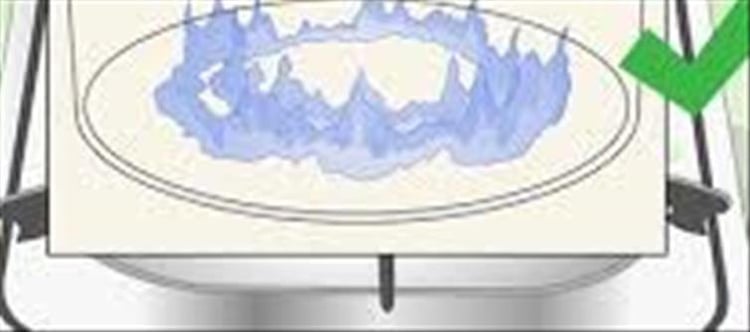
Ensure blue flame (not yellow flame)
Check for gas leaks or blockage
🍽️ 7. Use Efficient Cookware
Use flat-bottomed vessels for better heat distribution
Avoid oversized vessels on small burners
Prefer thick-bottom utensils for even cooking
🚫 Common Mistakes That Waste Gas
Cooking with open lid
Using high flame unnecessarily
Not soaking grains before cooking
Ignoring burner maintenance
✨ Conclusion
Saving cooking gas is all about smart cooking habits and proper kitchen practices. By using pressure cookers, cooking efficiently, and maintaining your stove, you can reduce LPG usage and save a good amount of money every month.
Disclaimer:
The views and opinions expressed in this article are those of the author and do not necessarily reflect the official policy or position of any agency, organization, employer, or company. All information provided is for general informational purposes only. While every effort has been made to ensure accuracy, we make no representations or warranties of any kind, express or implied, about the completeness, reliability, or suitability of the information contained herein. Readers are advised to verify facts and seek professional advice where necessary. Any reliance placed on such information is strictly at the reader’s own risk.
 click and follow Indiaherald WhatsApp channel