


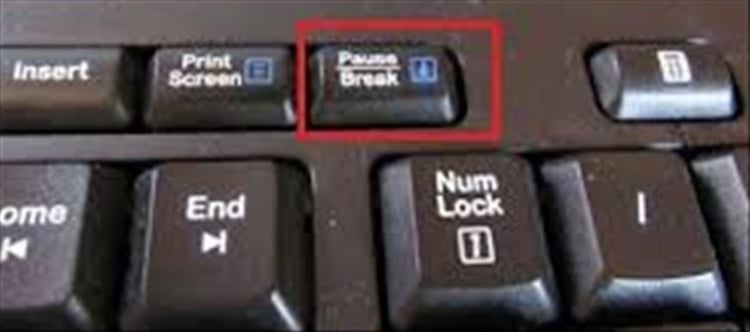

Most modern keyboard users have noticed a strange key labeled “Pause / Break”—but very few people actually use it. It sits quietly on the top row of many keyboards, especially desktops, making it one of the most mysterious keys in computing history.
So what does it actually do?
⌨️ What Is the Pause/Break Key?
The Pause/Break key was originally designed in early computer systems to:
- Pause running processes
- Stop scrolling output in command-line programs
- Interrupt system operations in older DOS-based systems
In simple terms, it was meant to temporarily “freeze” computer activity.
🖥️ Where It Was Used
The key was widely used in older systems like:
- MS-DOS environments
- Early Windows command prompt
- Mainframe terminal systems
In those systems, pressing Pause/Break could stop text from scrolling so users could read output more easily.
⚙️ What It Does Today
In modern computers, the key has very limited use. However, it still works in a few specific cases:
1. Windows Shortcuts
- Ctrl + Break → Interrupts running programs in some development tools
- Pause/Break → Opens system properties in older Windows versions
2. Remote Desktop Use
- Sometimes used to send special commands to remote systems
3. Programming and Debugging
- Developers may use it to stop execution in certain environments
❓ Why It Feels “Useless” Today
The key feels useless because:
- Modern operating systems replaced its functions
- GUIs (mouse-based systems) removed the need for command-line interruptions
- Laptops often don’t even include it
Many compact keyboards either remove it entirely or combine it with other keys.
🧠 Fun Fact
The Pause/Break key still exists mostly due to keyboard standardization and legacy compatibility—not because it is widely needed today.
That’s why it remains on many keyboards even though most users never press it.
🏁 Conclusion
The “Pause/Break” key is a leftover from early computing days when users needed a way to stop system output instantly. While it has almost no everyday use today, it still survives as a piece of computing history hidden on modern keyboards.
Disclaimer:
The views and opinions expressed in this article are those of the author and do not necessarily reflect the official policy or position of any agency, organization, employer, or company. All information provided is for general informational purposes only. While every effort has been made to ensure accuracy, we make no representations or warranties of any kind, express or implied, about the completeness, reliability, or suitability of the information contained herein. Readers are advised to verify facts and seek professional advice where necessary. Any reliance placed on such information is strictly at the reader’s own risk.
 click and follow Indiaherald WhatsApp channel