



Introduction
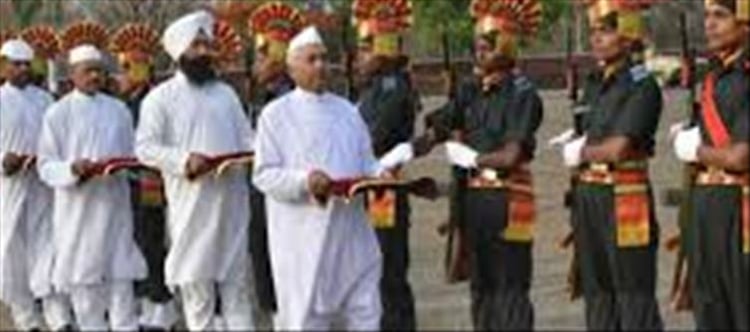
The indian army is not only a symbol of national security and discipline but also an institution that respects India’s religious and cultural diversity. To support the spiritual and moral well-being of soldiers serving in difficult conditions across the country, the army recruits Religious teachers under the Religious Teacher (RT) cadre.
These Religious teachers include:
- Pandits
- Granthis
- Maulvis
- Padres
- Buddhist Monks
They play an important role in maintaining the morale, mental strength, and spiritual guidance of army personnel. The recruitment process for these positions is unique and differs significantly from regular army recruitment.
This article explains how Religious teachers are recruited in the indian army, eligibility criteria, selection stages, responsibilities, and career opportunities.
Who Are Religious teachers in the indian Army?
Religious teachers are junior Commissioned Officers (JCOs) appointed to provide:
- Religious guidance
- Spiritual support
- Conduct of prayers and rituals
- Moral counseling for soldiers and families
They serve troops from different religious communities and help maintain emotional balance and unity among personnel posted in stressful operational environments.
Categories of Religious Teachers
The indian army recruits candidates from various religious communities.
Main Categories Include
Pandit
For Hindu soldiers.
Granthi
For Sikh soldiers.
Maulvi
For Muslim soldiers.
Padre
For Christian soldiers.
Buddhist Monk
For Buddhist soldiers.
Each category has specific educational and religious qualification requirements.
Recruitment Through RRT (Religious Teacher Recruitment)
The recruitment process is officially conducted through the:
Religious Teacher Recruitment (RRT) Entry
The army periodically releases recruitment notifications inviting eligible candidates to apply.
Eligibility Criteria
Nationality
Applicants must be:
- Indian citizens
Age Limit
Generally:
- 25 to 36 years
Age relaxation rules may apply according to official notifications.
Educational Qualifications
For Pandit
For Granthi
- Bachelor’s degree
- Gyani qualification in Punjabi
For Maulvi
- Bachelor’s degree
- Alim in Arabic or Adeeb-e-Mahir/Urdu qualification
For Padre
- Recognized Christian priesthood qualification
- Appropriate church certification
For Buddhist Monk
- Bachelor’s degree
- Recognized monk certification from a monastery
Qualification rules may vary slightly depending on official recruitment guidelines.
Selection Process
The indian army follows a multi-stage selection process for Religious Teachers.
1. Written Examination
Candidates appear for a written test covering:
- General awareness
- Reasoning
- Religious knowledge
- Language proficiency
The exam evaluates both educational background and religious understanding.
2. Physical Fitness Test (PFT)
Although Religious teachers are not combat soldiers, they must meet basic army fitness standards.
Physical Tests May Include
- 1.6 km run
- Push-ups
- Sit-ups
- Balance and endurance tests
Physical fitness ensures candidates can adapt to military life and field conditions.
3. Medical Examination
Selected candidates undergo:
- Full body medical examination
- Vision and hearing tests
- General health assessment
Medical fitness standards are similar to other army recruitments.
4. interview and Religious Assessment
One of the most important stages involves:
- Personal interview
- Religious knowledge evaluation
- Communication skills assessment
Candidates may be asked questions related to:
- Religious scriptures
- Rituals and traditions
- Ethical guidance
- Counseling abilities
The army evaluates whether candidates can effectively guide troops spiritually and emotionally.
Training After Selection
Selected candidates undergo military training before joining active service.
Training Includes
- Military discipline
- Basic army procedures
- Leadership development
- Administrative responsibilities
- Counseling techniques
After training, they are commissioned as junior Commissioned Officers (JCOs).
Duties and Responsibilities
Religious teachers perform multiple important functions within the Army.
Major Responsibilities
Conducting Religious Ceremonies
- Daily prayers
- Festivals
- Rituals
- Religious gatherings
Counseling Soldiers
They help soldiers deal with:
- Stress
- Homesickness
- Emotional difficulties
- Mental pressure during operations
Promoting Morale and Unity
Religious teachers help maintain harmony and positive morale among troops from diverse backgrounds.
Supporting Families
They may also provide emotional support to families during difficult situations.
Salary and Benefits
Religious teachers receive:
- JCO-level salary
- Military allowances
- Pension benefits
- Medical facilities
- Canteen facilities
- Housing and travel benefits
They also enjoy the respect and status associated with serving in the indian Army.
Career Growth Opportunities
Religious teachers can rise through different JCO ranks based on:
- Experience
- Service record
- Performance
They may also receive opportunities for:
- Specialized training
- Administrative responsibilities
- Senior advisory roles
Why This Role Is Important
Modern military service involves tremendous physical and mental stress. Soldiers often serve:
- In border areas
- High-altitude regions
- Conflict zones
- Remote locations away from families
Religious teachers provide psychological strength and emotional stability, helping soldiers remain motivated and mentally resilient.
How to Apply
Interested candidates should monitor official army recruitment notifications.
Official Recruitment Portal
Join indian army Official Website
Applicants should apply only through official army channels and avoid fraudulent recruitment agents.
Important Advice for Candidates
Maintain Physical Fitness
Even non-combat army roles require physical endurance.
Strengthen Religious Knowledge
Deep understanding of scriptures and traditions is essential.
Improve Communication Skills
Religious teachers must counsel and inspire soldiers effectively.
Keep Documents Ready
Candidates should maintain updated:
- Educational certificates
- Religious qualification certificates
- Identity documents
- Community and domicile certificates
Conclusion
Religious teachers in the indian army serve a unique and highly respected role by supporting the spiritual, emotional, and moral well-being of soldiers. Through the Religious Teacher Recruitment (RRT) process, the army selects qualified Pandits, Granthis, Maulvis, Padres, and Buddhist Monks who can guide troops under challenging military conditions.
For individuals with strong religious knowledge, leadership qualities, and a desire to serve the nation in uniform, this recruitment offers a meaningful and honorable career path within the indian Army.
Disclaimer:
The views and opinions expressed in this article are those of the author and do not necessarily reflect the official policy or position of any agency, organization, employer, or company. All information provided is for general informational purposes only. While every effort has been made to ensure accuracy, we make no representations or warranties of any kind, express or implied, about the completeness, reliability, or suitability of the information contained herein. Readers are advised to verify facts and seek professional advice where necessary. Any reliance placed on such information is strictly at the reader’s own risk.
 click and follow Indiaherald WhatsApp channel