


Introduction
Global Positioning System (GPS) technology underpins a vast range of modern applications, from navigation and logistics to autonomous vehicles and mobile apps. However, growing cybersecurity threats are exposing vulnerabilities in GPS systems. Startups, especially those relying on precise location data, are increasingly at risk from GPS disruptions or manipulation.
How GPS Works
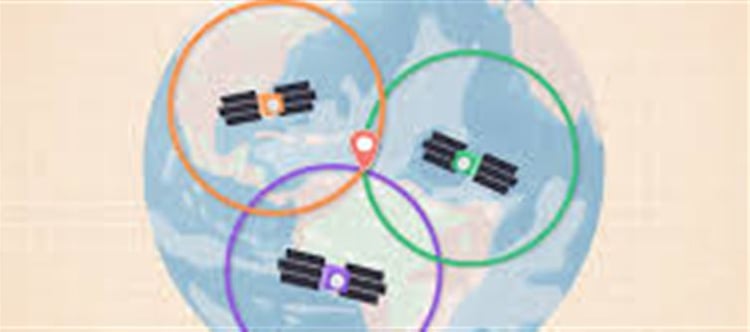
GPS is a satellite-based navigation system that provides location and time information anywhere on Earth. Key components include:
- Satellites – Orbiting the Earth, transmitting signals with precise timing.
- Receivers – Devices that calculate location by triangulating satellite signals.
- Control Stations – Monitor and maintain satellite operations.
Even small inaccuracies in GPS signals can have significant consequences for startups in transportation, delivery, and autonomous technologies.
Emerging Threats to GPS Systems
1. GPS Spoofing
- Hackers send fake GPS signals to mislead receivers.
- Examples include misrouting delivery drones or manipulating autonomous vehicles.
2. GPS Jamming
- Intentional signal interference can block GPS receivers.
- Disrupts logistics, ride-sharing services, and location-based apps.
3. Cyberattacks on Satellite Infrastructure
- Satellites and control stations can be targeted by hackers.
- Compromises can affect large-scale navigation systems globally.
Implications for Startups
GPS vulnerabilities can pose serious challenges for startups:
- Logistics & Delivery: Incorrect routing can lead to delays and lost packages.
- Autonomous Vehicles: Safety risks increase if navigation data is manipulated.
- Location-Based Apps: Inaccurate data can reduce user trust and app reliability.
- Drone Operations: Spoofing or jamming can cause drones to crash or go off-course.
Startups heavily reliant on GPS must invest in security measures to mitigate these risks.
Strategies to Protect GPS-Dependent Startups
1. Multi-Layered Navigation
- Combine GPS with alternative systems like GLONASS, Galileo, or local beacons.
- Helps ensure accuracy even if GPS signals are compromised.
2. Anti-Spoofing & Anti-Jamming Technology
- Invest in signal authentication and detection mechanisms.
- Real-time monitoring can alert to unusual signal patterns.
3. Redundancy & Backup Systems
- Use inertial navigation systems (INS) or Wi-Fi-based location as backups.
- Ensures continuous operations during GPS disruption.
4. Collaboration With Security Experts
- Partner with cybersecurity firms specializing in satellite and signal protection.
- Regularly audit systems for vulnerabilities.
Future Outlook
As GPS becomes increasingly critical for tech startups, the race to secure navigation systems is intensifying. Innovations in satellite security, signal encryption, and hybrid navigation systems will be crucial. Startups that proactively invest in GPS security can gain a competitive advantage, ensuring reliability and safety for their services.
Disclaimer:
The views and opinions expressed in this article are those of the author and do not necessarily reflect the official policy or position of any agency, organization, employer, or company. All information provided is for general informational purposes only. While every effort has been made to ensure accuracy, we make no representations or warranties of any kind, express or implied, about the completeness, reliability, or suitability of the information contained herein. Readers are advised to verify facts and seek professional advice where necessary. Any reliance placed on such information is strictly at the reader’s own risk.
 click and follow Indiaherald WhatsApp channel