
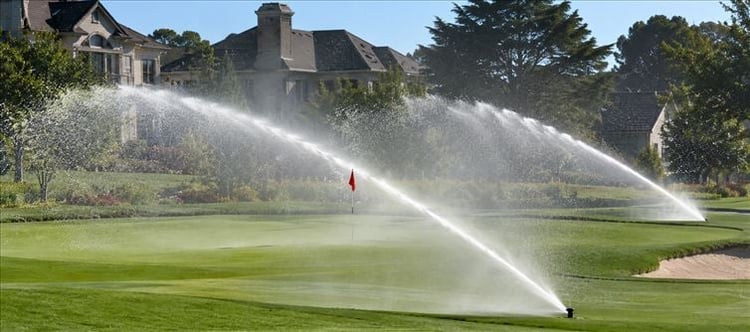


Behind the perfectly trimmed greens, luxury clubhouses, and postcard-worthy fairways lies a staggering environmental reality most people never see. Every single day, golf courses across the united states consume an estimated 5.51 billion liters of water just for irrigation. That equals roughly 1.46 billion gallons daily — enough to shock even water experts watching droughts, shrinking reservoirs, and climate pressures intensify across large parts of the country.
And the numbers become even more jaw-dropping when viewed annually. U.S. golf courses collectively use around 1.63 million acre-feet of water every year, a volume massive enough to supply water to millions of households.
For critics, the optics are brutal.
At a time when many American regions face water restrictions, dry riverbeds, and growing fears over long-term water security, sprawling green golf landscapes often stand out as symbols of excess. In drought-prone states especially, the contrast can feel impossible to ignore: neighborhoods being told to conserve while acres of emerald grass remain heavily watered to maintain tournament-perfect conditions.
But the issue is more complicated than simple outrage.
Supporters of the golf industry argue that modern courses are becoming far more water-efficient than they were decades ago. Many now use recycled wastewater, advanced irrigation systems, drought-resistant grass, and tighter environmental regulations. industry groups also point out that golf generates billions in tourism, jobs, and local economic activity.
Still, environmentalists say the broader question remains unavoidable: how much water should recreational luxury consume in a world facing increasing climate stress?
The debate has become especially intense in regions already battling severe heat and long-term drought conditions. As water scarcity grows globally, highly water-intensive industries and recreational spaces are facing mounting scrutiny from governments, scientists, and the public alike.
Because in the end, those picture-perfect fairways come with a price many people never think about — and it’s measured not in dollars, but in billions of liters of water disappearing into the grass every single day.
 click and follow Indiaherald WhatsApp channel