


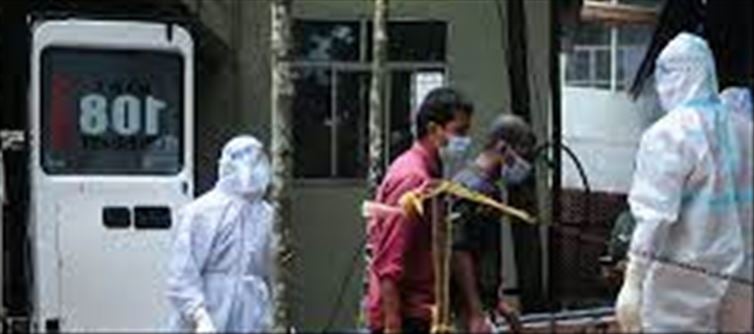

Nipah Virus Develops Much Like a "Crime Thriller"...
According to the nation's top epidemiologist Dr. Raman Gangakhedkar, the bangladesh strain of the Nipah virus causes breathlessness and kills nine out of ten infected people. He cautioned that it is crucial to identify the virus's origin in order to stop it from spreading. Former indian Council of Medical Research (ICMR) head of epidemiology and communicable diseases Gangakhedkar oversaw the nation's response to Kerala's last three Nipah virus outbreaks. Finding the index patient, determining the source of the Nipah virus, testing all nearby animals, mobilising the community, and maintaining medical aid readiness are top priorities, he said.
The state of Kerala's Nipah cases were of the bangladesh strain, according to a statement made by Veena George, the state's minister of health, on september 13. According to Gangakhedkar, the circulating strain is known to cause respiratory distress syndrome, which among its initial symptoms causes patients to feel out of breath and forces them onto ventilators.
"The Malaysian strain is known to show neurological symptoms, whereas the bangladesh strain is known for a higher case fatality rate or deaths... About nine out of every ten infected people will die, he predicted, adding that the first outbreak's 23 infected patients had an 89% mortality rate.
'CRIME THRILLER' NIPAH MYSTERY
In Gangakhedkar's opinion, unravelling the mystery of the Nipah virus - including contacting the index patient, locating the virus's origin, connecting the events linking the origin to the index patient, and tracing everyone in contact with the index patient - is similar to watching a "crime thriller" unfold. Gangakhedkar represented India's top medical research agency during the government briefings on Covid-19. "It's a jigsaw puzzle," he remarked, recalling how, in 2018, he and his team members solved the Nipah mystery in just 15 days. A group of scientists discovered in May 2018 that the index patient had come into contact with fruit bats while cleaning the well at his home in a Keralan village.
 click and follow Indiaherald WhatsApp channel