


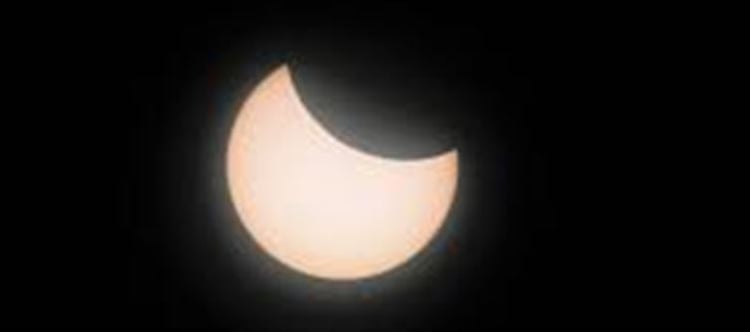

A rare celestial spectacle is on the horizon: in 2027, the world will witness one of the longest solar eclipses in nearly a century, with some regions experiencing the event for over 6 minutes. This astronomical phenomenon is drawing attention from sky-watchers, scientists, and astrology enthusiasts alike.
What is Happening?
A solar eclipse occurs when the Moon passes between the Earth and the Sun, blocking the Sun’s light partially or fully. The upcoming 2027 eclipse is predicted to be a total solar eclipse, where the sun will be completely obscured by the moon along the path of totality.
Duration and Rarity
- Expected totality duration: over 6 minutes, making it one of the longest eclipses in the 21st century.
- Most solar eclipses last 2–4 minutes, which is why this event is considered exceptional.
Will india See It?
Astronomers have mapped the path of totality carefully. While some countries in Africa and the Middle East will experience full eclipse, certain northern parts of India might witness a partial solar eclipse. This means the sun will be partially covered by the moon, providing a spectacular visual treat—but not the maximum duration seen elsewhere.
Safety Measures
Watching a solar eclipse without proper protection can cause serious eye damage. Experts recommend:
- Using ISO-certified solar viewing glasses
- Avoiding direct viewing with the naked eye or regular sunglasses
- Using pinhole projectors or solar filters for telescopes
Why This Eclipse is Special
- It is one of the longest total eclipses in a century
- Offers unique opportunities for scientific observation, such as studying the Sun’s corona
- Encourages astronomy awareness and sky-watching activities worldwide
Conclusion
The 2027 solar eclipse is set to be a remarkable event in the astronomical calendar. While india may only witness a partial eclipse, enthusiasts should prepare to observe safely and enjoy this rare celestial performance.
Disclaimer:
The views and opinions expressed in this article are those of the author and do not necessarily reflect the official policy or position of any agency, organization, employer, or company. All information provided is for general informational purposes only. While every effort has been made to ensure accuracy, we make no representations or warranties of any kind, express or implied, about the completeness, reliability, or suitability of the information contained herein. Readers are advised to verify facts and seek professional advice where necessary. Any reliance placed on such information is strictly at the reader’s own risk..jpg)
 click and follow Indiaherald WhatsApp channel