


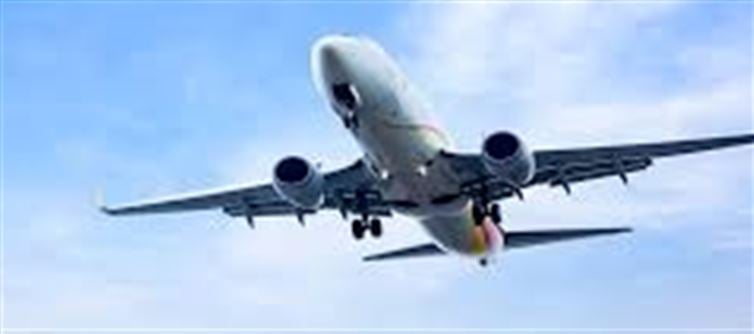

In aviation, safety is paramount, and even seemingly small incidents can have serious implications. One such event is a tail strike, a situation that occurs when the tail or empennage (the rear underside) of an aircraft makes contact with the runway during takeoff or landing. While not always catastrophic, tail strikes can compromise the structural integrity of an aircraft, affect its aerodynamics, and lead to costly repairs if not addressed properly.
What is a Tail Strike?
A tail strike happens when the rear portion of an aircraft touches the runway. This usually involves the empennage, which includes the tailplane, stabilizers, and sometimes the rear fuselage. Tail strikes are more common during takeoff or landing, when the nose of the aircraft is lifted or lowered at extreme angles.
Even though modern aircraft are designed with safety buffers, repeated or severe tail strikes can lead to:
· Structural damage to the fuselage or tail section
· Compromised flight control surfaces
· Additional maintenance and inspection requirements
How Does a Tail strike Happen?
Tail strikes can occur due to several factors:
1. Excessive Rotation During Takeoff
o If the pilot lifts the nose of the aircraft too sharply during takeoff, the tail may scrape the runway.
2. Steep Landing Approach
o Landing at a steep angle or touching down with an elevated nose can cause the tail to contact the runway surface.
3. Incorrect Weight and Balance
o Overloading the aircraft or misplacing cargo can alter its center of gravity, making tail strikes more likely during rotation.
4. Runway Conditions
o Short runways or uneven surfaces can increase the risk of tail strikes.
5. Pilot Error or Mechanical Malfunction
o Mistimed control inputs, sudden braking, or faulty landing gear can all contribute to tail strikes.
Why Tail Strikes Matter
Although a tail strike may not always lead to immediate disaster, it is a serious safety concern in aviation:
· Structural Damage: The rear fuselage can suffer cracks, dents, or weakened sections, which could compromise the aircraft’s integrity if not repaired.
· Maintenance and Costs: Tail strikes require thorough inspections, sometimes including disassembly of tail sections, which increases downtime and maintenance costs.
· Safety Risks: In extreme cases, undetected tail strike damage can worsen over time, affecting flight safety.
· Regulatory Implications: airlines must report tail strikes to aviation authorities, which may trigger additional audits and oversight.
Preventing Tail Strikes
Airlines and pilots employ several measures to minimize the risk:
· Training: Pilots undergo simulator and real-world training to perfect takeoff and landing angles.
· Weight Management: Proper cargo loading and weight distribution are strictly monitored.
· Aircraft Design: Many modern aircraft have tail skids or reinforced structures to reduce damage if a tail strike occurs.
· Approach and Rotation Guidelines: Strict protocols for rotation speed and landing approach help avoid excessive nose angles.
Famous Tail strike Incidents
Tail strikes have occurred in commercial aviation history, usually resulting in minor damage but sometimes contributing to more serious events. Understanding these incidents helps improve pilot training, aircraft design, and safety protocols.
Conclusion
A tail strike is more than just a minor scrape—it is a critical safety concern in aviation. Awareness, proper training, and adherence to aircraft protocols are essential to prevent it. While modern engineering and pilot practices minimize risks, understanding what tail strikes are, how they happen, and why they matter is vital for anyone interested in aviation safety.
Disclaimer:
The views and opinions expressed in this article are those of the author and do not necessarily reflect the official policy or position of any agency, organization, employer, or company. All information provided is for general informational purposes only. While every effort has been made to ensure accuracy, we make no representations or warranties of any kind, express or implied, about the completeness, reliability, or suitability of the information contained herein. Readers are advised to verify facts and seek professional advice where necessary. Any reliance placed on such information is strictly at the reader’s own risk..jpg)
 click and follow Indiaherald WhatsApp channel