


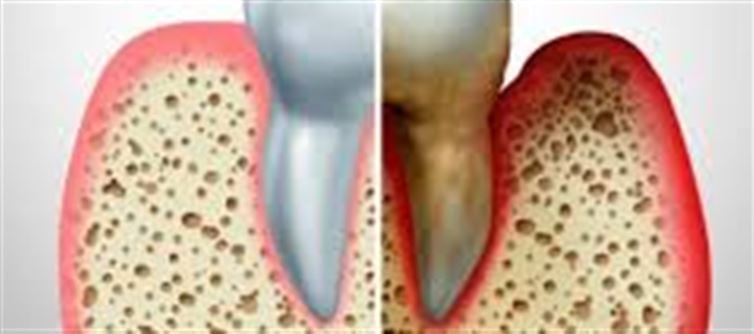

Tooth loss is often seen simply as a dental issue, but emerging research indicates it can be an important marker for overall bone health—particularly osteoporosis. Osteoporosis, characterized by decreased bone density and increased fracture risk, affects millions worldwide, often silently progressing until serious complications occur. Understanding the connection between oral health and systemic bone health can help in early detection and prevention of osteoporosis.
What is Osteoporosis?
Osteoporosis is a condition where bones become weak and brittle due to a loss of bone mass and deterioration of bone tissue. Key features include:
- Reduced bone density, making bones fragile.
- Increased susceptibility to fractures, especially in the spine, hip, and wrist.
- Often symptomless until a fracture or bone loss occurs.
Risk factors include age, gender (more common in women), family history, hormonal changes, nutritional deficiencies (calcium and vitamin D), sedentary lifestyle, and certain medications.
The Connection Between Tooth Loss and Bone Health
Teeth are anchored in the jawbone, which, like other bones in the body, depends on strong bone density for stability. Loss of teeth can reflect changes in the jawbone, which may indicate systemic bone density loss:
Jawbone Resorption
After a tooth is lost, the surrounding jawbone may begin to shrink, a process called bone resorption.
In individuals with osteoporosis, this process is accelerated due to the weakened bone structure.
Periodontal Disease and Bone Loss
Gum disease (periodontitis) is a leading cause of tooth loss.
Osteoporosis may worsen bone loss around teeth, making them more vulnerable to infection and eventual loss.
Shared Risk Factors
Calcium and vitamin D deficiencies, smoking, and sedentary lifestyle contribute both to osteoporosis and dental deterioration.
Early Warning Sign
Tooth loss, especially in adults with otherwise healthy teeth, can sometimes be an early indicator of systemic bone density problems.
Studies Supporting the Link
Several studies have highlighted the connection:
- A 2017 study published in the Journal of Bone and Mineral Research found that postmenopausal women with osteoporosis had a higher prevalence of tooth loss compared to women with normal bone density.
- Research suggests that the number of missing teeth correlates with lower bone mineral density in both the jaw and other skeletal sites.
- Dental X-rays may even reveal early signs of bone thinning before standard osteoporosis screenings detect it.
Preventive Measures and Management
Maintaining both dental and bone health can reduce the risk of tooth loss and osteoporosis:
Nutrition for Strong Bones and Teeth
Ensure adequate intake of calcium, vitamin D, and protein.
Foods like dairy, leafy greens, nuts, and fatty fish support bone health.
Good Oral Hygiene
Regular brushing, flossing, and dental check-ups prevent periodontal disease, which can accelerate tooth loss.
Bone health Monitoring
Bone density scans (DEXA) can identify osteoporosis early.
Individuals experiencing unexplained tooth loss should consider discussing bone health with their physician.
Lifestyle Habits
Avoid smoking and excessive alcohol.
Engage in weight-bearing exercises like walking, yoga, or resistance training to strengthen bones.
Medical Interventions
In some cases, medications like bisphosphonates may help prevent further bone loss in both the jaw and skeleton.
The Takeaway
Tooth loss is not just a dental concern—it may be a visible signal of underlying systemic conditions like osteoporosis. By recognizing the link between oral health and bone health, individuals can take proactive steps to protect both their teeth and bones. Regular dental visits, proper nutrition, lifestyle management, and bone health screening are essential for long-term wellbeing.
Understanding this connection highlights the importance of a holistic approach to health: oral care and bone care are deeply intertwined, and addressing one can significantly benefit the other.
Disclaimer:
The views and opinions expressed in this article are those of the author and do not necessarily reflect the official policy or position of any agency, organization, employer, or company. All information provided is for general informational purposes only. While every effort has been made to ensure accuracy, we make no representations or warranties of any kind, express or implied, about the completeness, reliability, or suitability of the information contained herein. Readers are advised to verify facts and seek professional advice where necessary. Any reliance placed on such information is strictly at the reader’s own risk.
 click and follow Indiaherald WhatsApp channel