


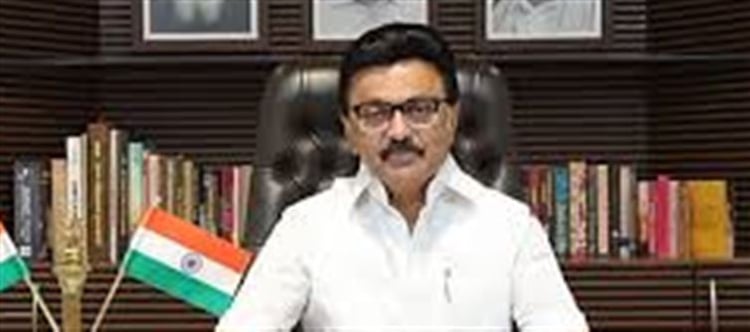

Chennai, Representatives of camp-dwelling Tamils from across tamil Nadu met the chief minister of tamil Nadu, M. K. Stalin, at the State secretariat today, expressing their heartfelt gratitude for his proactive steps regarding their long-pending citizenship and long-term visa concerns.
Demand for Permanent Resolution
During the meeting, the representatives submitted a letter seeking a permanent solution to issues related to indian citizenship and long-term visas. Many of the camp residents, who have been living in tamil Nadu for decades, have been facing uncertainties concerning legal status, documentation, employment opportunities, and access to higher education.
They appealed for the state government’s continued intervention with the Union government to ensure a clear and humane resolution to their situation.
Chief Minister’s Intervention
The delegation thanked the chief minister for taking up their concerns with the appropriate authorities and for initiating measures aimed at securing long-term stability for affected families. They acknowledged his efforts in raising the issue at various levels and advocating for a policy-based solution that would safeguard their future.
The chief minister assured them that the state government remains committed to protecting their rights and welfare, and will persist in its efforts to achieve a sustainable and legally sound outcome.
Addressing Long-Standing Challenges
Camp-dwelling Tamils have long faced challenges including:
Limited access to permanent employment opportunities
Difficulties in obtaining official documents
Restrictions in higher education and overseas travel
Social and economic uncertainty due to visa status
A permanent resolution, they said, would provide stability and open new avenues for education, employment, and social integration.
Hope for a Secure Future
The representatives conveyed optimism that the ongoing discussions and official correspondence would lead to meaningful progress. They emphasized that a clear and compassionate policy decision would not only benefit current residents but also future generations.
The meeting marked an important step in addressing a humanitarian and administrative issue that has affected thousands of families for years, reinforcing the state government’s commitment to inclusive governance and social justice.
Disclaimer:
The views and opinions expressed in this article are those of the author and do not necessarily reflect the official policy or position of any agency, organization, employer, or company. All information provided is for general informational purposes only. While every effort has been made to ensure accuracy, we make no representations or warranties of any kind, express or implied, about the completeness, reliability, or suitability of the information contained herein. Readers are advised to verify facts and seek professional advice where necessary. Any reliance placed on such information is strictly at the reader’s own risk.
 click and follow Indiaherald WhatsApp channel