


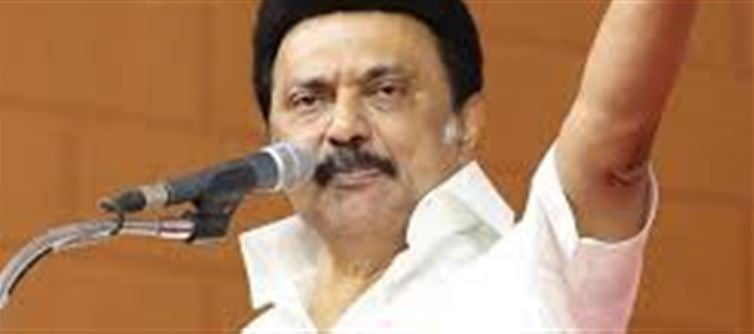

Chennai: tamil Nadu chief minister M. K. stalin delivered a strong address in the tamil Nadu Legislative assembly, stating that the Union government, despite holding extensive powers, has failed to show due respect to state governments within India’s federal structure.
Remarks in the Legislative Assembly
Speaking during the assembly session, the chief minister emphasized that India’s strength lies in its federal framework, where both the Union and the States have clearly defined constitutional responsibilities. However, he alleged that the concentration of powers at the Union level has increasingly sidelined the autonomy and rights of state governments.
He pointed out that cooperative federalism must function in spirit and practice, rather than merely in principle.
Call for Strengthening Federalism
M.K. stalin underscored that states play a direct and crucial role in implementing welfare schemes, managing public health, education, law and order, and regional development. Therefore, he argued, the Union government must respect the views, financial needs, and policy priorities of individual states.
He stressed the importance of:
Ensuring fair allocation of financial resources
Consulting states on major national policies
Protecting state rights under the Constitution
Upholding the true spirit of federal governance
Concerns Over Centralization
The chief minister expressed concern over what he described as increasing centralization of authority, stating that such trends could weaken democratic balance. He maintained that India’s diversity requires a governance model that empowers states rather than diminishing their role.
He reiterated that tamil Nadu will continue to voice its concerns and advocate for stronger state rights within the constitutional framework.
Reaffirming Commitment to State Autonomy
Concluding his speech, the chief minister affirmed tamil Nadu’s commitment to safeguarding its rights and working towards equitable federal relations. He stated that constructive cooperation between the Union and the States is essential for national progress and inclusive development.
Disclaimer:
The views and opinions expressed in this article are those of the author and do not necessarily reflect the official policy or position of any agency, organization, employer, or company. All information provided is for general informational purposes only. While every effort has been made to ensure accuracy, we make no representations or warranties of any kind, express or implied, about the completeness, reliability, or suitability of the information contained herein. Readers are advised to verify facts and seek professional advice where necessary. Any reliance placed on such information is strictly at the reader’s own risk.
 click and follow Indiaherald WhatsApp channel