


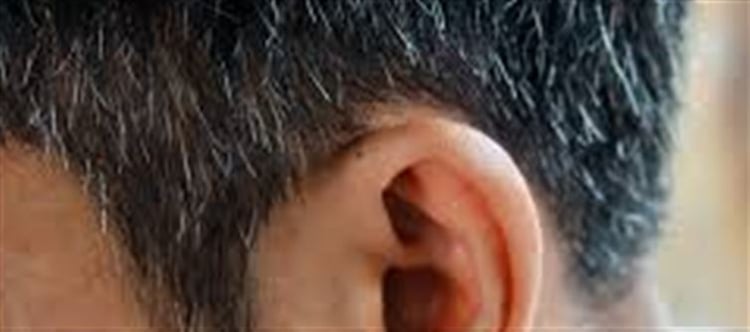

Premature gray hair—sometimes called early canities—is when hair begins to lose its natural pigment at a younger age than expected. While graying is a normal part of aging, several factors can accelerate this process. Understanding these mechanisms and adopting healthy habits can help manage and possibly delay the onset of gray hair.
What Causes Premature Gray Hair?
Genetics
Genetics is one of the strongest predictors of when your hair will turn gray.
Certain genes regulate melanin production in hair follicles; if your parents or grandparents grayed early, you may be predisposed too.
Oxidative Stress and Free Radical Damage
Chronic oxidative stress can damage the melanocyte stem cells (the cells that produce pigment) in hair follicles, accelerating graying.
Environmental pollutants, smoking, and poor lifestyle habits increase this oxidative burden.
Nutritional Deficiencies
Deficiencies in key micronutrients—especially vitamin B12, iron, copper, zinc, and vitamin D—are strongly linked to premature graying
A diet lacking in antioxidants and sufficient protein may impair melanin synthesis.
Stress
High stress levels can trigger graying via hormonal and nervous system pathways.
A key study (from Harvard) showed that stress activates the sympathetic nervous system, which may deplete the stem cells needed for pigment production.
Medical Conditions
Thyroid disorders (especially hypothyroidism), autoimmune diseases (like vitiligo), and certain blood or nutrient absorption disorders (e.g., pernicious anemia) can contribute to early graying.
Such conditions may impair melanocyte function or reduce melanin production.
Lifestyle Factors
Smoking: The chemicals in tobacco produce free radicals, which may damage pigment cells.
Heat and Chemicals: Excessive use of hair dyes, bleaches, and heat styling can weaken pigment cells.
Sleep & UV Exposure: Poor sleep, less rest, and unprotected exposure to UV rays can worsen oxidative stress.
How to Combat or Slow Down Premature Graying
While you may not be able to fully reverse gray hair once it’s established, these strategies can help delay further graying and support hair health:
Improve Your Nutrition
Eat a balanced diet rich in B vitamins, copper, iron, zinc, and antioxidants (leafy greens, nuts, legumes).
Consider supplementation only if blood tests show you’re deficient; especially for vitamin B12 or iron.
Manage Stress
Incorporate stress-reduction practices like yoga, meditation, or deep breathing into your routine.
Prioritize good sleep (7–8 hours) to allow your body to repair oxidative damage.
Avoid Harmful Habits
Quit smoking—this can significantly reduce free radical damage to hair.
Limit the use of harsh chemical dyes, bleaches, or excessive heat styling
Use antioxidant Hair Care
Regular scalp massages with natural oils like amla oil, coconut oil, or curry leaf oil can help nourish follicles.
Look for topical treatments with antioxidants (e.g., catalase, copper peptides) to reduce oxidative stress on the scalp.
Treat Underlying health Issues
Get regular check-ups for thyroid function, vitamin B12, and other possible medical causes of early graying.
If conditions like hypothyroidism or pernicious anemia are at play, proper management may help slow the process.
Protect from Environmental Damage
Cover your hair or use antioxidant-rich UV-protectant sprays when exposed to sun or heavy pollution.
Maintain good scalp hygiene to remove pollutant build-up which may stress follicle cells.
Realistic Expectations
According to dermatologists, premature graying is difficult to fully reverse, especially once melanocyte stem cells are depleted.
Lifestyle changes can slow down further graying, but they don’t guarantee complete color restoration.
If early graying deeply concerns you, consult a dermatologist. They can assess for underlying causes and recommend tailored treatments or supplements.
Conclusion
Premature gray hair is influenced by a complex interplay of genetics, oxidative stress, nutrition, and lifestyle. While you can't always stop it completely, understanding the root causes gives you leverage to slow it down. By focusing on stress management, balanced nutrition, healthy habits, and medical check-ups, you can support your hair's pigment health and maintain its vitality for longer.
Bottom line: Early graying doesn’t have to be inevitable—smart, consistent lifestyle choices can make a real difference.
Disclaimer:
The views and opinions expressed in this article are those of the author and do not necessarily reflect the official policy or position of any agency, organization, employer, or company. All information provided is for general informational purposes only. While every effort has been made to ensure accuracy, we make no representations or warranties of any kind, express or implied, about the completeness, reliability, or suitability of the information contained herein. Readers are advised to verify facts and seek professional advice where necessary. Any reliance placed on such information is strictly at the reader’s own risk.
 click and follow Indiaherald WhatsApp channel