


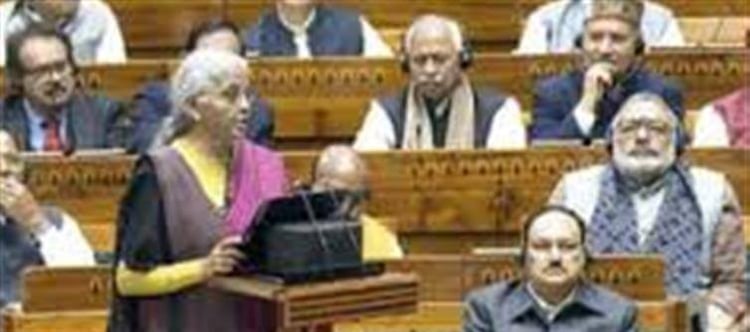

New Delhi: Following the presentation of the Union Budget 2026 by Finance minister Nirmala Sitharaman, opposition parties have voiced concerns over several aspects of the government’s fiscal and economic plans. Priyanka gandhi Vadra, general secretary of the Indian National Congress, emerged as a prominent critic, highlighting what she termed as worrying trends for common citizens and the economy.
Opposition Concerns
Rising Inflation and Cost of Living
Priyanka gandhi expressed apprehension that despite budgetary allocations, household expenses, fuel costs, and food inflation continue to burden ordinary citizens.
She called for more targeted measures to ensure that economic relief reaches those most affected.
Employment and youth Opportunities
The opposition criticized the budget for insufficient focus on job creation, especially for young graduates and skilled workers.
Gandhi emphasized that without adequate employment generation, india risks underutilizing its youth demographic, potentially slowing long-term growth.
Agriculture and Rural Development
While some allocations for farmers were announced, the opposition argued that real support for small and marginal farmers is limited, with many dependent on subsidies and loans.
Concerns were raised over rural infrastructure and credit accessibility.
Fiscal Prudence and Borrowing
Critics also questioned the government’s approach to public spending and fiscal deficit management, warning that unchecked borrowing could affect economic stability.
Priyanka Gandhi’s Statement
In a statement released after the budget, priyanka gandhi called for a more inclusive, growth-oriented approach that balances infrastructure development, social welfare, and job creation. She stressed that while investment in sectors like technology and education is necessary, ordinary citizens should directly feel the benefits of the budget.
Government Response
Finance Ministry officials have defended the budget, emphasizing planned investments in education, healthcare, women’s empowerment, and regional development, and stating that initiatives like the Yuva Shakti programs and university townships will generate long-term economic benefits.
In conclusion, the Union Budget 2026 has sparked a debate between the government’s focus on long-term growth initiatives and the opposition’s concerns about immediate economic relief and job creation. Analysts note that the coming months will reveal how these budgetary measures translate into real impact on citizens and the economy.
Disclaimer:
The views and opinions expressed in this article are those of the author and do not necessarily reflect the official policy or position of any agency, organization, employer, or company. All information provided is for general informational purposes only. While every effort has been made to ensure accuracy, we make no representations or warranties of any kind, express or implied, about the completeness, reliability, or suitability of the information contained herein. Readers are advised to verify facts and seek professional advice where necessary. Any reliance placed on such information is strictly at the reader’s own risk.
 click and follow Indiaherald WhatsApp channel