


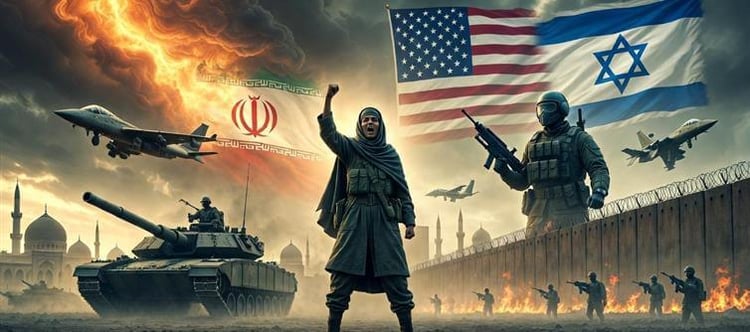

Strap in, because the Middle East's hottest feud isn't just about oil or bombs—it's a blood-soaked saga of revolution, religion, and raw power plays that's left iran swinging solo against giants like the US and Israel. Back in the day, iran was practically besties with America under its old king, even keeping things hush-hush friendly with Israel. Then boom—the 1979 Islamic Revolution flips the script, turning iran into a rebel powerhouse built on hating Western bullies, denying Israel's right to exist, and ruling through hardcore Shia vibes.
Meanwhile, the rest of the Muslim world? They're cozying up to Uncle sam for handouts and protection, prioritizing fat wallets over fiery ideology. Let's tear this apart in gut-punching detail, point by ruthless point, because understanding this mess explains why Iran's the ultimate outlier in a sea of sellouts.
Meanwhile, the rest of the Muslim world? They're cozying up to Uncle sam for handouts and protection, prioritizing fat wallets over fiery ideology. Let's tear this apart in gut-punching detail, point by ruthless point, because understanding this mess explains why Iran's the ultimate outlier in a sea of sellouts.
- The Revolution Flip: From US Sidekick to Eternal Enemy Overnight
Picture iran pre-1979: under Shah Mohammad Reza Pahlavi, it was America's golden boy in the region, sharing intel and even nodding along with israel on the down-low. But then Ruhollah Khomeini storms in with the Islamic Revolution, and suddenly Iran's whole identity is anti-West defiance, zero tolerance for israel, and a government soaked in Shia Islamic rule. This wasn't some policy tweak—it became the soul of the state. Hostility toward the US and Israel? Baked in like DNA. No turning back, no compromises; it's what makes iran the rogue warrior while others play it safe. - Shia Showdown: The Ancient Split That Fuels Iran's Isolation
Here's the religious gut-punch—Irman's the big dog in Shia Islam, with 90-95% of its folks following that path, while most Arab countries are Sunni strongholds (85-90% of Muslims worldwide). This beef started way back in 632 CE after Prophet Muhammad's death: Sunnis wanted the best buddy (Abu Bakr) in charge, Shias said it had to be family (Ali). What began as a leadership spat snowballed into deep theological divides over centuries. iran leans into its Shia roots hard, seeing itself as the guardian of the faith, which rubs Sunni neighbors the wrong way and leaves iran out in the cold, fighting battles no one else wants. - The Hidden Imam Hustle: Why Shias Wait for a Savior and Built a Cleric Empire
Dive deeper into Shia weirdness—Twelver Shias (Iran's flavor) believe their 12th Imam vanished ages ago and will return as the Mahdi to fix everything. Until then? Who runs the show? For eons, Shia scholars just advised from the sidelines, avoiding the throne. But Khomeini shattered that in '79 with Velayat-e Faqih—basically, "Let the top Islamic jurist call the shots to keep things holy." Boom: supreme Leader, clerics vetoing elections, a whole system wired for Shia supremacy. No Sunni country has this priest-king setup; it's Iran's secret sauce for unyielding resistance, making them look like zealots to everyone else. - Geopolitical Gut Check: Iran's Shia shield Sparks Sunni Paranoia and Proxy Wars
Iran's not just praying differently—they're playing protector to Shia groups everywhere, backing militias in Iraq, lebanon (Hezbollah), yemen (Houthis), you name it. They frame it as fighting "oppression," but Sunni bigwigs like saudi arabia see it as a direct stab at their thrones, stirring up their own Shia minorities and challenging Sunni dominance. What seems like a holy war is really a savage mix of faith, legitimacy, and power grabs. This turns regional squabbles into full-blown tensions, isolating iran as the agitator while Sunnis huddle under US umbrellas for safety. - Persian Pride Punch: Ethnicity and Empire Echoes That Set iran Apart
Add this layer of savagery—Iran's not Arab; it's Persian, with its own language (Farsi), ancient empire vibes predating Islam, and a cultural swagger that screams "We're different." Most Middle east players are Arab through and through, so Iran's ethnic, linguistic, and historical outsider status amps up the alienation. It's like the cool kid who doesn't fit the clique, but instead of blending in, iran doubles down on its uniqueness, fueling that lone-wolf stance against the US-Israel axis while Arab states chase alliances that keep their crowns secure. - Sellout Survival Mode: Why saudi arabia, Jordan, and egypt Bow to the US Beast
Forget holy wars—the real reason most Muslim states don't poke the US bear? Straight-up survival. Saudi Arabia's got that sweet 1945 oil-for-security deal, prioritizing palace stability over ideological brawls. Jordan's a tiny player sucking up US aid to stay afloat. egypt cashed in post-1978 Camp David, trading peace for military bucks. These regimes aren't secretly loving Israel; they're just hooked on American cash and protection to keep rebellions at bay. Iran's the exception, competing for regional boss status by resisting, while others sell their souls for economic lifelines. - The Ultimate Power Clash: Iran's "Resistance" vs Everyone's "Stability" Sham
Boil it down, and Iran's isolation is a brutal cocktail of revolutionary fire, Shia exceptionalism, and zero-fucks-given geopolitics. They position themselves as the "resistance" leaders against injustice, but Sunni powers view them as chaos-makers threatening the status quo. Add Persian pride, and you've got a nation that's fundamentally at odds with the Arab-US alignment. While others chase regime perks like aid and alliances, Iran's locked into defiance mode—no wonder they're standing alone, fists up, in a world where survival trumps solidarity. This ain't just history; it's the savage blueprint for endless Middle east mayhem.
 click and follow Indiaherald WhatsApp channel