


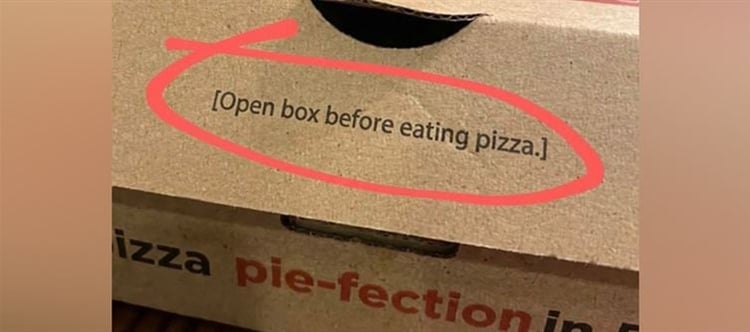

It looks harmless. Almost laughable. “Open the box before eating.” The kind of instruction most people roll their eyes at and ignore. But behind that one line sits a hard lesson the packaging industry learned the expensive way.
Back in 2006, a routine grocery trip in fort Lauderdale took a sharp turn. A customer picked up a case of sparkling mineral water at Whole Foods, expecting it to behave like, well, a box. Instead, the bottom gave way. Glass bottles dropped instantly, shattered on impact, and caused serious injury to her foot and ankle.
What followed wasn’t just a complaint. It escalated into a full-blown product liability case. The legal strategy was precise and aggressive. The lawsuit didn’t stop with the retailer. It extended to the Italian manufacturer and even the designers of the cardboard packaging itself. The argument was simple but powerful. If a box can fail in a way a reasonable person wouldn’t expect, then the design is flawed.
The turning point came from a subtle idea. Trust. Consumers are conditioned to trust packaging. If that trust leads to injury, it becomes a legal problem, not just a manufacturing error. The absence of a warning, something as basic as “support the bottom,” became central to the case.
By 2009, the matter was settled out of court for a confidential six-figure amount. Quietly, but decisively, it sent a message across the industry. Packaging was no longer just a container. It was part of the product itself, and therefore, part of its liability.
That’s why today, even the simplest box talks to you. Not because companies think you don’t know better, but because they’ve learned exactly what happens when they assume you do.
 click and follow Indiaherald WhatsApp channel