



A Milestone for Delhi, A Reminder for India
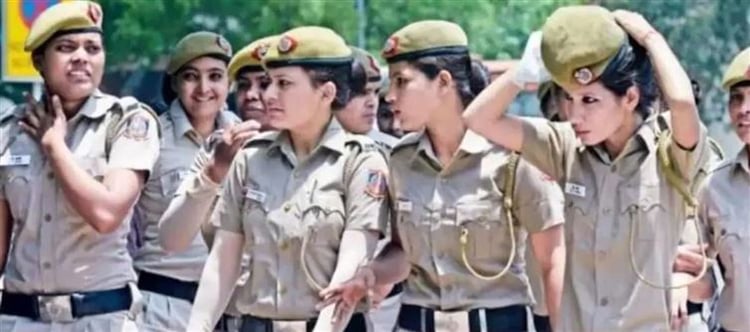
Delhi's opening of its first all-women police station in 2026 is undeniably a significant step. But it also highlights a larger truth — some regions in india solved this decades ago. While the capital celebrates a beginning, tamil Nadu stands as proof of what long-term vision and early action can achieve.
💥 1. The Head Start That Changed Everything
Back in 1992, tamil Nadu launched its first all-women police station in Chennai’s Thousand Lights — a move that was far ahead of its time. At a point when women’s safety was barely part of mainstream policy discussions, TN made it a priority.
📊 2. From One Station to a Statewide Network
Fast forward to today, and tamil Nadu operates over 222 all-women police stations. This isn’t symbolic progress — it’s scale. It shows sustained commitment, not just a one-time announcement.
⚖️ 3. Why These Stations Matter
All-women police stations aren’t just about representation. They create safer, more approachable environments for women to report crimes, especially in cases involving harassment, abuse, or domestic violence — areas where hesitation often silences victims.
🔥 4. Policy vs Implementation
Many regions speak about women’s safety. tamil Nadu built systems around it. The difference lies in execution — turning intent into infrastructure that people can actually access.
📣 5. Delhi’s Move — Late but Important
Delhi’s step is still crucial. It signals a shift and acknowledges a need that cannot be ignored. But it also underlines how uneven progress has been across states.
🧠 6. The “TN Model” in Focus
What tamil Nadu demonstrates is simple: consistency beats headlines. When policy is backed by years of implementation, it becomes a model — not just a moment.
FINAL TAKE — Leadership Is Measured Over Time
This isn’t about competition. It’s about learning. tamil Nadu’s journey shows what’s possible when governments act early and stay committed. As more states follow suit, one thing is clear — the blueprint already exists. The question is: who’s ready to follow it?
 click and follow Indiaherald WhatsApp channel