


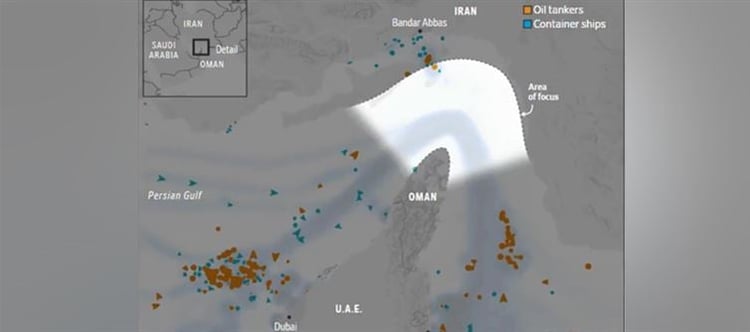

For decades, the Strait of Hormuz has been one of the world’s most critical—and most open—shipping lanes. oil flows through it. Economies depend on it. And one rule has always held firm: no one owns it. No tolls. No permissions. Just passage. Now, that understanding is being tested in a way the global system has never quite faced before.
A Rulebook Being Challenged
Under long-standing maritime norms, especially the UN Convention on the Law of the Sea, international straits like Hormuz guarantee “transit passage.” In simple terms: ships move freely. Iran’s latest move appears to push against that foundation, attempting to introduce a pay-to-pass dynamic that could rewrite decades of precedent overnight.
The $2 Million Question
Reports suggest vessels are being routed via Larak Island, where fees as high as $2 million per ship are allegedly being imposed. On paper, the math is staggering. Pre-conflict traffic hovered around 138 ships a day—numbers that could translate into over $100 billion annually. Even now, with traffic reduced to a trickle, the revenue potential remains massive.
But Here’s the Catch
The narrative isn’t that simple. industry insiders argue this “toll booth” story may be exaggerated. The reason? Sanctions. The IRGC is heavily sanctioned, and any legitimate, insured shipping company wiring money to such entities risks catastrophic consequences—frozen assets, blacklisting, and complete exclusion from global trade networks.
Who’s Actually Paying?
That leaves a narrow window. The vessels that might comply are likely part of the so-called “shadow fleet”—ships already operating in sanctioned ecosystems. Meanwhile, mainstream operators—the backbone of global oil transport—are effectively locked out. For them, paying isn’t an option. It’s a business-ending move.
Choked Flow, Not Just Controlled Flow
Iran has reportedly capped crossings at around a dozen ships per day. Compare that to over 100 daily before tensions escalated, and the scale of disruption becomes clear. This isn’t just monetization—it’s throttling. Nearly 90% of normal traffic has vanished.
The Reality at Sea
Hundreds of vessels remain stranded. Only a handful manage to pass through. The toll system, whether real or overstated, is almost beside the point. The damage is already done.
Bottom Line
This isn’t just about fees—it’s about control. And in a waterway that powers the global economy, even the hint of control is enough to send shockwaves far beyond the Gulf.
 click and follow Indiaherald WhatsApp channel