


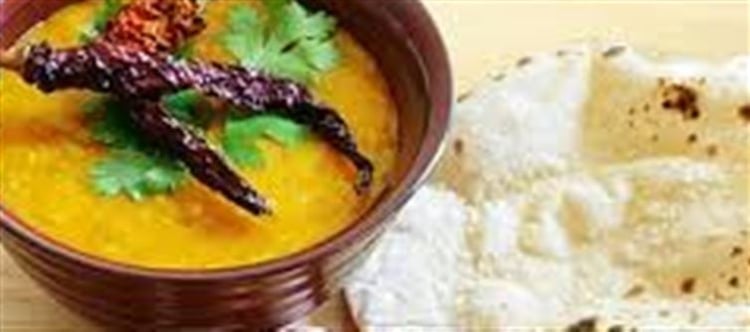

Many indians grow up on a simple, comforting daily diet of chai (tea), roti (flatbread), and dal (lentils). While this combination provides calories, protein, and warmth, nutrition experts are raising questions: could this routine diet be affecting bone health over time? Let’s break it down.
1. Understanding the Typical Diet
A typical chai-roti-dal day may look like this:
Morning: Chai with sugar or milk
Lunch/Dinner: 2–3 rotis, dal, sometimes a vegetable
Snacks: Biscuits, namkeen, or chai
While filling and culturally comforting, this diet can lack certain nutrients essential for bone strength, particularly calcium, vitamin D, and certain proteins.
2. Why Bones Need More Than Just Calories
Bones are living tissues that constantly remodel themselves. Key nutrients for healthy bones include:
Calcium: Builds bone density and strength
Vitamin D: Helps absorb calcium effectively
Protein: Supports bone matrix and repair
Magnesium, Zinc, and vitamin K: Aid mineral balance and bone metabolism
Without sufficient intake of these nutrients, bones may gradually lose density, increasing the risk of osteopenia and osteoporosis.
3. Hidden Pitfalls in Chai-Roti-Dal
a. calcium Deficiency
Roti and dal have some calcium, but not enough for adults’ daily requirements (about 1000–1200 mg/day).
b. vitamin D Deficiency
Most indian diets, including the chai-roti-dal routine, provide very little vitamin D. Sunlight exposure helps, but indoor lifestyles can worsen deficiency.
c. High Phytate Content
Whole wheat and legumes contain phytates, which can bind minerals like calcium and zinc, reducing absorption.
4. Signs Your Bones Might Be Suffering
Some subtle signs of poor bone health include:
Frequent joint pain or stiffness
Recurrent fractures from minor injuries
Loss of height over time
Weak grip strength
If these symptoms are present, it’s worth consulting a doctor for bone density tests.
5. How to Improve Bone health While Keeping Your Comfort Foods
You don’t have to give up your favorite chai-roti-dal. Small tweaks can make a big difference:
Fortified Milk or Yogurt: Add calcium and vitamin D
Leafy Greens: Spinach, fenugreek, and amaranth can boost calcium
Nuts and Seeds: Almonds, sesame seeds, and pumpkin seeds provide minerals
Sunlight Exposure: 10–15 minutes daily for vitamin D
Include protein Variety: Eggs, fish, paneer, or tofu occasionally
6. The Takeaway
A chai-roti-dal diet is comforting and economical, but over years, it may fall short in bone-supporting nutrients. By adding diversity, fortified foods, and mindful supplementation, you can keep both your taste buds and your bones happy.
Disclaimer:
The views and opinions expressed in this article are those of the author and do not necessarily reflect the official policy or position of any agency, organization, employer, or company. All information provided is for general informational purposes only. While every effort has been made to ensure accuracy, we make no representations or warranties of any kind, express or implied, about the completeness, reliability, or suitability of the information contained herein. Readers are advised to verify facts and seek professional advice where necessary. Any reliance placed on such information is strictly at the reader’s own risk.
 click and follow Indiaherald WhatsApp channel