


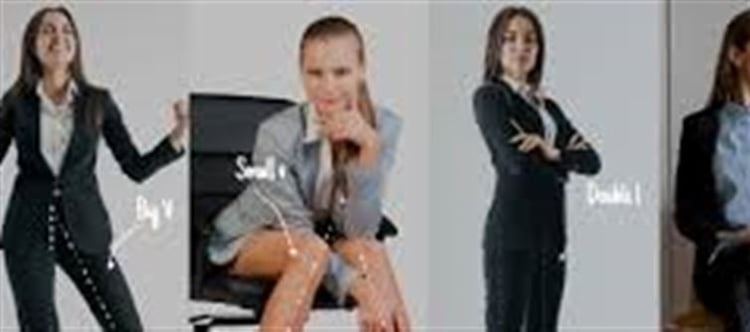

Body language is a silent communicator that often reveals more than words. Among the many gestures we unconsciously make, leg crossing is one of the most common yet subtly expressive movements. Whether in meetings, social gatherings, or casual conversations, the way a person crosses their legs can reveal attitudes, comfort levels, confidence, and even underlying emotions.
This article delves into the psychological significance of leg crossing, its variations, and what it communicates in different contexts.
1. Why Leg Crossing Matters in Body Language
Leg crossing is more than a comfortable sitting posture—it serves as a nonverbal cue reflecting a person’s internal state. Key reasons it is significant include:
Barrier Creation: Crossed legs often act as a subconscious barrier, signaling the desire to maintain personal space or protect oneself emotionally.
Comfort or Habit: Sometimes it’s simply a habitual or comfortable sitting position, but even then, it can indicate relaxation or confidence.
Social Signaling: It communicates openness, defensiveness, or dominance, depending on context and accompanying gestures.
2. Types of Leg Crossing and Their Meanings
a) Ankle Over Knee (Figure-Four)
Often seen in professional or formal settings.
Indicates confidence and authority, especially if the posture is open and relaxed.
Can also suggest attentiveness while maintaining personal space.
b) Knee Over Knee (Closed Position)
Creates a compact and closed posture.
Often signals defensiveness, discomfort, or resistance.
Common in situations where someone feels vulnerable, reserved, or cautious.
c) Ankle Cross (Casual)
Legs crossed at the ankles while sitting lightly on a chair or sofa.
Typically denotes relaxation, calmness, or politeness.
Indicates a non-threatening, approachable demeanor.
d) Sideways Cross
Sitting sideways with legs crossed at the knees or ankles.
Can signify interest in conversation while maintaining a degree of detachment.
Often observed in social or casual settings.
3. Factors Affecting Interpretation
The meaning of leg crossing is context-dependent and influenced by other body language cues:
Torso Orientation: Leaning forward can indicate interest, while leaning back suggests detachment.
Arm Positioning: Crossed arms combined with crossed legs may signal defensiveness.
Facial Expressions: Smile or frown can modify the interpretation of leg crossing.
Cultural Differences: In some cultures, certain leg crossing positions may be considered rude or disrespectful.
4. Leg Crossing in Professional Settings
Meetings: Crossed legs may indicate confidence and attentiveness but excessive crossing away from a speaker may suggest disengagement.
Interviews: Observing leg posture can help assess comfort, confidence, or nervousness.
Negotiations: Open leg crossing paired with forward-leaning posture signals interest and assertiveness.
5. Leg Crossing in Social and Casual Settings
Flirting or Interest: Slightly angled cross with leaning toward the other person often indicates engagement or attraction.
Relaxation: Casual ankle cross while reclining suggests comfort and ease.
Social Anxiety or Withdrawal: Closed knee-over-knee posture may indicate reserved or cautious behavior.
6. Tips for Using Leg Crossing Mindfully
Be Aware of Signals: Recognize how your own posture may be perceived.
Match Context: In professional situations, prefer confident but open postures.
Observe Others: Leg crossing can provide clues about mood, receptiveness, or intentions.
Combine with Other Gestures: Eyes, hands, and facial expressions complete the nonverbal picture.
Adjust for Comfort: Comfort should come first; unnatural postures can be distracting or convey unintended messages.
7. Conclusion
Leg crossing is a subtle yet powerful element of body language. It can communicate confidence, openness, defensiveness, relaxation, or interest, depending on the context and accompanying gestures. By understanding the nuances of leg crossing, one can better interpret others’ intentions and project the desired nonverbal signals in both professional and social situations.
In essence, something as simple as the way you cross your legs can speak volumes—without saying a single word.
Disclaimer:
The views and opinions expressed in this article are those of the author and do not necessarily reflect the official policy or position of any agency, organization, employer, or company. All information provided is for general informational purposes only. While every effort has been made to ensure accuracy, we make no representations or warranties of any kind, express or implied, about the completeness, reliability, or suitability of the information contained herein. Readers are advised to verify facts and seek professional advice where necessary. Any reliance placed on such information is strictly at the reader’s own risk.
 click and follow Indiaherald WhatsApp channel