


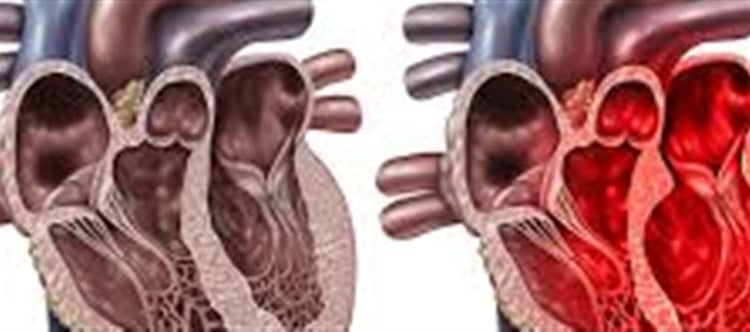

“Broken heart Syndrome” may sound poetic, but it is a real medical condition that can temporarily affect how your heart functions. Doctors call it Stress-Induced Cardiomyopathy or Takotsubo Cardiomyopathy.
It often occurs after intense emotional or physical stress — such as the loss of a loved one, a breakup, a major argument, or even a shocking surprise.
🫀 What Exactly Is Broken heart Syndrome?
Broken heart Syndrome is a temporary weakening of the heart muscle, usually affecting the heart’s main pumping chamber — the left ventricle.
The condition was first described in japan in 1990 and named Takotsubo cardiomyopathy because the affected heart takes on a shape similar to a Japanese octopus trap called a “takotsubo.”
Unlike a heart attack, this condition:
- Is not caused by blocked arteries
- Usually improves within days or weeks
- Is often triggered by sudden stress
⚡ What Causes It?
The exact cause isn’t fully understood, but doctors believe it’s linked to a surge of stress hormones like adrenaline.
Triggers may include:
Emotional Stress
- Death of a loved one
- Breakups or divorce
- Financial loss
- Severe fear or shock
Physical Stress
- Serious illness
- Surgery
- Severe asthma attack
- Accident or trauma
These events may temporarily “stun” the heart muscle.
🚨 Symptoms to watch For
Broken heart Syndrome often mimics a heart attack. Symptoms include:
- Sudden chest pain
- Shortness of breath
- Irregular heartbeat
- Sweating
- Dizziness
Because the symptoms are so similar, emergency medical evaluation is essential to rule out a real heart attack.
🔍 How Is It Diagnosed?
Doctors use several tests, including:
- ECG (electrocardiogram)
- Blood tests
- Echocardiogram
- Coronary angiogram
The key difference is that coronary arteries are usually not blocked, unlike in a heart attack.
👩⚕️ Who Is at Risk?
Broken heart Syndrome most commonly affects:
- Women over 50, especially after menopause
- People with anxiety or depression
- Individuals experiencing extreme emotional stress
Women account for nearly 90% of reported cases.
🩺 Is It Dangerous?
Most people recover completely within a few weeks.
However, in rare cases, complications can occur, such as:
- Heart failure
- Fluid buildup in lungs
- Irregular heart rhythms
That’s why medical supervision is important.
❤️ How Does It Affect the Heart?
Here’s what happens inside the heart:
- The left ventricle becomes temporarily weakened
- The heart doesn’t pump blood as efficiently
- Part of the heart may balloon outward
- Blood flow remains normal in arteries
Fortunately, unlike permanent heart damage from a heart attack, the heart muscle usually regains full strength.
🛡️ Can It Be Prevented?
There’s no guaranteed prevention, but stress management helps:
- Practice relaxation techniques (meditation, breathing exercises)
- Regular physical activity
- Healthy diet
- Good sleep
- Seeking emotional support during tough times
Doctors may prescribe medications such as beta-blockers to reduce stress hormone effects.
✅ Final Takeaway
Broken heart Syndrome is a real but usually temporary heart condition triggered by intense stress. While it can feel like a heart attack, most patients recover fully with proper care.
Still, never ignore chest pain — whether emotional or physical stress caused it — because only medical testing can determine the difference.
Disclaimer:
The views and opinions expressed in this article are those of the author and do not necessarily reflect the official policy or position of any agency, organization, employer, or company. All information provided is for general informational purposes only. While every effort has been made to ensure accuracy, we make no representations or warranties of any kind, express or implied, about the completeness, reliability, or suitability of the information contained herein. Readers are advised to verify facts and seek professional advice where necessary. Any reliance placed on such information is strictly at the reader’s own risk.
 click and follow Indiaherald WhatsApp channel