
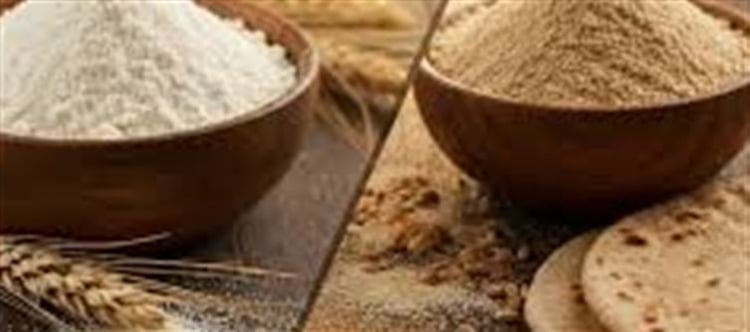


When it comes to indian diets, sooji (semolina) and whole wheat are two common staples. Both are used in breakfast items, snacks, and main meals, but if your goal is weight loss, knowing which one fits better in your plan is crucial. Let’s break it down.
1. Nutritional Profile Comparison
Nutrient (per 100g)
Sooji (Semolina)
Whole Wheat Flour
Calories
~360 kcal
~340 kcal
Protein
12g
13g
Carbs
72g
72g
Fiber
3-4g
12g
Fat
1g
2g
Glycemic Index
65-70
30-40
Takeaway: Whole wheat has more fiber, slightly more protein, and a lower glycemic index, making it a better choice for sustained energy and satiety.
2. How They Affect Weight Loss
Sooji (Semolina)
· Pros: Quick to digest, good for energy, often used in light breakfasts like upma or rava idli.
· Cons: High glycemic index means blood sugar spikes, which can increase hunger and cravings, potentially slowing weight loss.
Whole Wheat
· Pros: High in fiber, which keeps you full longer, improves digestion, and supports stable blood sugar levels.
· Cons: Takes slightly longer to cook and digest, but that also helps control appetite.
3. Best Weight-Loss Uses
Sooji
· Occasional breakfasts like upma or rava porridge can be part of a balanced diet.
· Pair with vegetables or protein (like paneer or eggs) to reduce the glycemic load.
Whole Wheat
· Ideal for rotis, chapatis, or whole wheat pancakes.
· Best paired with protein and fiber-rich vegetables to enhance satiety and nutrition.
4. Tips for Including Them Smartly
1. Portion Control: 1 medium roti (30-40g) or ½ cup cooked upma is enough for breakfast.
2. Combine with Protein: Paneer, eggs, yogurt, or lentils make your meal filling and reduce post-meal cravings.
3. Add Vegetables or Seeds: Boost fiber content and micronutrients.
4. Limit Refined Sooji: Choose whole wheat or multi-grain versions instead of heavily processed semolina for better weight management.
Bottom Line
· For weight loss: Whole wheat wins due to high fiber, lower glycemic index, and better satiety.
· For occasional quick meals: Sooji is fine, especially when combined with protein and veggies.
· Balanced approach: Alternate both smartly, but prioritize whole wheat as your primary grain for sustained results.
Disclaimer:
The views and opinions expressed in this article are those of the author and do not necessarily reflect the official policy or position of any agency, organization, employer, or company. All information provided is for general informational purposes only. While every effort has been made to ensure accuracy, we make no representations or warranties of any kind, express or implied, about the completeness, reliability, or suitability of the information contained herein. Readers are advised to verify facts and seek professional advice where necessary. Any reliance placed on such information is strictly at the reader’s own risk.
 click and follow Indiaherald WhatsApp channel