


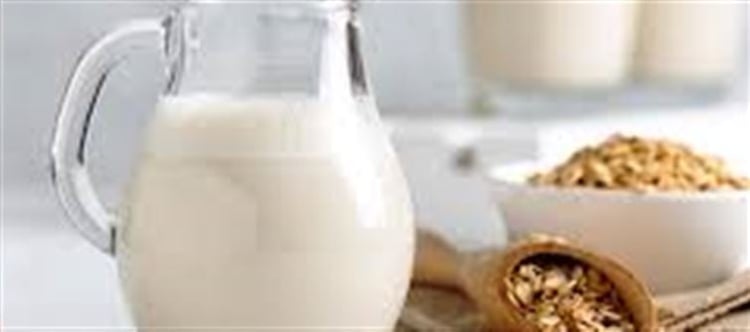

Oat milk has become a popular alternative to dairy milk due to its creamy texture, nutritional benefits, and plant-based origin. But for people with diabetes, blood sugar management is critical, and choosing the right type of milk can make a difference.
1. What is Oat Milk?
Oat milk is made by blending oats with water and straining the mixture. It naturally contains:
Carbohydrates (mainly from oats)
Fiber (especially beta-glucans)
Some protein
Vitamins and minerals like calcium, vitamin D, and B vitamins
Unlike cow’s milk, oat milk is naturally lactose-free and suitable for people with lactose intolerance.
2. Oat Milk and Blood Sugar
The main concern for people with diabetes is carbohydrate content. Oat milk contains sugars and starches from oats, which can raise blood glucose levels.
Glycemic Impact: Unsweetened oat milk has a moderate glycemic index (GI). It increases blood sugar less than sweetened or flavored versions but more than cow’s milk or soy milk.
Added Sugars: Many commercial oat milk brands contain added sugars, which can cause a rapid spike in blood sugar.
3. Tips for Choosing Oat Milk with Diabetes
To safely include oat milk in your diet, consider:
Choose Unsweetened Varieties: Avoid sweetened or flavored oat milk to minimize blood sugar spikes.
Check the Label: Look at the carbohydrate content per serving; aim for options with lower carbs.
Portion Control: Stick to ½–1 cup per serving to avoid excessive sugar intake.
Pair with protein or Healthy Fat: Adding a source of protein (like Greek yogurt or nuts) can slow glucose absorption.
4. health Benefits of Oat Milk for people with Diabetes
Oat milk can still provide benefits if consumed mindfully:
Rich in Fiber: Beta-glucans in oats help improve cholesterol levels and may support heart health.
Low in Saturated Fat: Supports cardiovascular health, important for diabetics.
Fortified Nutrients: Many brands are fortified with calcium, vitamin D, and B12, aiding bone and overall health.
5. Potential Risks
Blood sugar Spikes: Drinking large quantities or sweetened oat milk can increase glucose levels.
Calories: Some oat milks are higher in calories than dairy or plant-based alternatives, which can impact weight management.
6. Alternatives to Consider
If blood sugar control is a top priority, you might consider lower-carb milk alternatives:
Unsweetened Almond Milk: Very low in carbs and calories.
Soy Milk (Unsweetened): Moderate protein and low sugar.
Coconut Milk (Unsweetened): Low in carbs but also lower in protein.
7. Conclusion
Yes, people with diabetes can drink oat milk, but the key is choosing unsweetened varieties, monitoring portion sizes, and pairing it with a balanced diet. Regular blood sugar monitoring can help you see how oat milk affects your glucose levels and ensure it fits safely into your meal plan.
Disclaimer:
The views and opinions expressed in this article are those of the author and do not necessarily reflect the official policy or position of any agency, organization, employer, or company. All information provided is for general informational purposes only. While every effort has been made to ensure accuracy, we make no representations or warranties of any kind, express or implied, about the completeness, reliability, or suitability of the information contained herein. Readers are advised to verify facts and seek professional advice where necessary. Any reliance placed on such information is strictly at the reader’s own risk.
 click and follow Indiaherald WhatsApp channel