


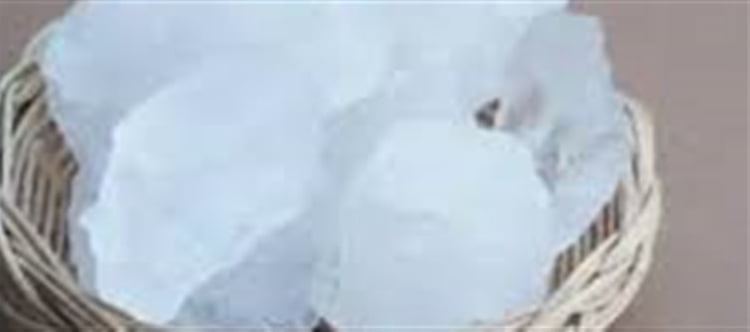

Alum, a naturally occurring mineral salt, has been used for centuries in traditional medicine, beauty regimens, and daily hygiene. Known for its astringent, antibacterial, and deodorizing properties, alum is a versatile ingredient that can enhance both health and beauty when used correctly. From skincare to oral care, understanding its benefits and applications can help you unlock its full potential.
What is Alum?
Alum refers to a group of chemical compounds, most commonly potassium alum, which is a colorless crystalline substance. It is often found in a solid block form and is soluble in water. While alum is widely known for its use in water purification and as a culinary additive, it also has numerous medicinal and cosmetic applications.
Health Benefits of Alum
1. Oral Health
Alum has long been used in traditional oral care to combat bacteria and maintain gum health.
· Mouth ulcers: Dissolving a small amount of alum in water and applying it to ulcers can help reduce inflammation and accelerate healing.
· Gum health: Alum’s antibacterial properties can help prevent gum infections and bleeding.
· Breath freshener: Rinsing with alum water can reduce bacteria in the mouth, combating bad breath naturally.
2. Wound Healing
Alum acts as an astringent, which helps in:
· Stopping minor bleeding: Applying a pinch of powdered alum on small cuts or abrasions can help control bleeding.
· Preventing infection: Its antibacterial properties reduce the risk of infection and promote faster healing.
3. Water Purification
Alum has been traditionally used to purify drinking water by causing impurities and bacteria to coagulate and settle, making water safer for consumption.
Beauty Benefits of Alum
1. Skin Care
Alum offers multiple advantages for skin health:
· Acne and pimples: Its antibacterial and astringent properties help reduce excess oil, tighten pores, and prevent acne breakouts.
· Skin toning: Alum can act as a natural toner, helping to firm the skin and minimize pore appearance.
· Razor burn relief: Rubbing a small alum block over freshly shaved skin can soothe irritation and prevent cuts from getting infected.
2. Deodorant Properties
Alum is a natural deodorant because it inhibits the growth of odor-causing bacteria without blocking sweat glands. It is gentle on the skin, making it suitable for sensitive underarms.
3. Hair Care
Alum can help manage scalp issues:
· Dandruff control: Its antimicrobial properties can reduce scalp infections and flakes.
· Hair styling: Some people use a diluted alum solution to add shine and firmness to hair.
How to Use Alum Safely
· Topical use: Always dissolve alum in water before applying to skin to avoid irritation.
· Oral use: Use sparingly for mouth rinses; avoid swallowing large amounts.
· Frequency: Limit use to a few times per week for beauty purposes to prevent skin dryness.
· Patch test: Always test on a small area of skin first, especially if you have sensitive skin.
Precautions
While alum is generally safe when used correctly, excessive use can lead to skin dryness or irritation. pregnant women and people with certain medical conditions should consult a healthcare professional before using alum orally or on sensitive areas.
Final Thoughts
Alum is a versatile mineral with a rich history of use in health and beauty. From promoting oral hygiene and healing minor wounds to managing acne and deodorizing naturally, its benefits are extensive. With careful, informed use, alum can be an effective, natural addition to your wellness and beauty routine, offering a blend of traditional wisdom and modern practicality.
Disclaimer:
The views and opinions expressed in this article are those of the author and do not necessarily reflect the official policy or position of any agency, organization, employer, or company. All information provided is for general informational purposes only. While every effort has been made to ensure accuracy, we make no representations or warranties of any kind, express or implied, about the completeness, reliability, or suitability of the information contained herein. Readers are advised to verify facts and seek professional advice where necessary. Any reliance placed on such information is strictly at the reader’s own risk.
 click and follow Indiaherald WhatsApp channel